

Table of Contents
- What Makes a Fragrance Niche Quality
- Niche vs Designer Fragrance: The Core Differences
- Raw Materials and Ingredient Sourcing
- Fragrance Concentration Explained
- Small-Batch Production and Artisan Craftsmanship
- Longevity, Sillage, and Olfactory Performance
- How to Try Niche Fragrances: Free Fragrance Samples and Discovery
- The Reality of Quality: Synthetic vs Natural Ingredients and Sustainability
- Frequently Asked Questions
Last Updated: September 2, 2026
What Makes a Fragrance Niche Quality
The difference between a mass-market fragrance and one that commands respect in the niche community goes far deeper than marketing claims or celebrity endorsements. Niche fragrances are built on superior ingredients, artistic vision, and uncompromising craftsmanship. They're designed to tell a story rather than chase mass appeal, with higher scent concentration, rarer raw materials, smaller production runs, and decisions that reflect the perfumer's artistic intent.
This guide breaks down the specific markers of niche quality, technical specifications, ingredient choices, and production methods, so you'll understand exactly what you're paying for when you invest in a niche fragrance.
Niche vs Designer Fragrance: The Core Differences
Designer fragrances are engineered for broad appeal through safe, predictable note combinations. They're distributed through major retailers, priced competitively ($60-$120), and supported by massive marketing budgets. The goal is volume.
Niche fragrances reject that formula. They're created for a specific audience willing to seek out something unusual, pay more ($80-$300+), and accept that it might not work for everyone. A niche perfumer pursues an artistic vision inspired by a specific place, memory, or emotion, rather than pursuing committee compromise.
Distribution reinforces this difference. Designer fragrances are sold everywhere; niche fragrances are sold through selective channels, boutique retailers, specialty shops, and direct-to-consumer websites. This selective distribution protects exclusivity and allows the perfumer to control the customer experience.
Pricing reflects the gap: the price difference isn't arbitrary but reflects superior raw materials, smaller production batches, and the perfumer's expertise.
Raw Materials and Ingredient Sourcing
What makes a fragrance niche quality often comes down to raw materials sourced with obsessive attention to quality and origin. A niche perfumer might source natural oud from a specific region of Cambodia, known for particular aromatic characteristics, while a mass-market fragrance uses synthetic oud that costs a fraction of the price.
Rare botanicals command premium prices for good reason. Real jasmine sambac from Grasse, France costs significantly more than jasmine from other regions. Real Bulgarian rose oil, harvested once yearly during a narrow window, is one of the most expensive raw materials in perfumery.
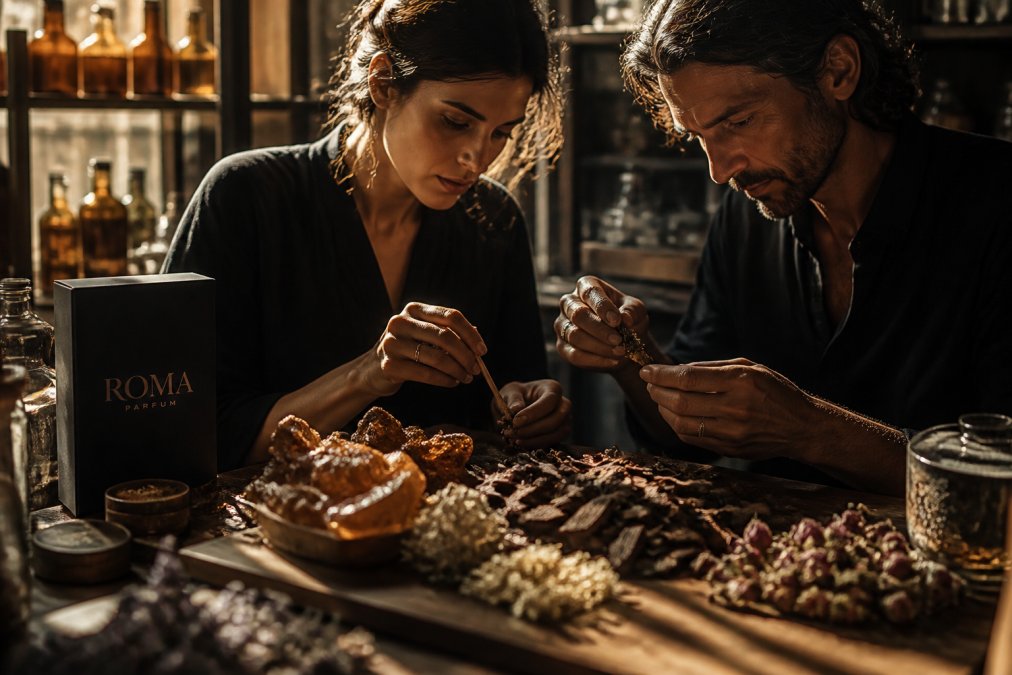
Niche perfumers often publish ingredient lists transparently, sometimes highlighting the origin of key materials. This transparency signals confidence in quality. Mass-market fragrances guard their formulas as trade secrets, partly because the ingredient list would reveal how little actual fragrance material they contain.
The choice between natural and synthetic ingredients is misunderstood. Natural ingredients are not automatically superior. A perfumer chooses based on artistic intent: a natural sandalwood oil might be paired with a synthetic sandalwood molecule that captures a specific facet the natural material lacks. What matters is that the perfumer made an intentional choice based on the olfactory profile they wanted to achieve.
Fragrance Concentration Explained
Fragrance concentration is the percentage of fragrance oils dissolved in alcohol and water. This single specification determines longevity, sillage (how far a fragrance projects), and fade speed.
| Concentration Type | Oil Percentage | Longevity | Typical Price Range |
|---|---|---|---|
| Eau de Cologne | 2-4% | 1-2 hours | $20-$40 |
| Eau de Toilette | 4-8% | 3-5 hours | $40-$80 |
| Eau de Parfum | 15-20% | 6-8 hours | $80-$150 |
| Extrait de Parfum | 20-40% | 8-24 hours | $150-$300+ |
Niche fragrances typically fall into the Eau de Parfum and Extrait de Parfum categories. A 20% concentration fragrance will still be noticeable on your skin 8 hours later, while a 5% concentration will have faded significantly by lunch.
Higher concentration also affects how a fragrance develops. With more fragrance material present, the top notes last longer, the heart notes fully bloom, and the base notes become more prominent. A high-concentration fragrance tells a complete story.
Small-Batch Production and Artisan Craftsmanship
Niche fragrances are made in small batches, typically in the hundreds or low thousands of bottles per production run, fundamentally different from mass-market manufacturing where a single run might involve hundreds of thousands of bottles.
Small-batch production enables a perfumer to oversee each batch personally, adjust formulations based on development, and catch inconsistencies before shipping. In mass manufacturing, quality control becomes statistical sampling rather than hands-on oversight.
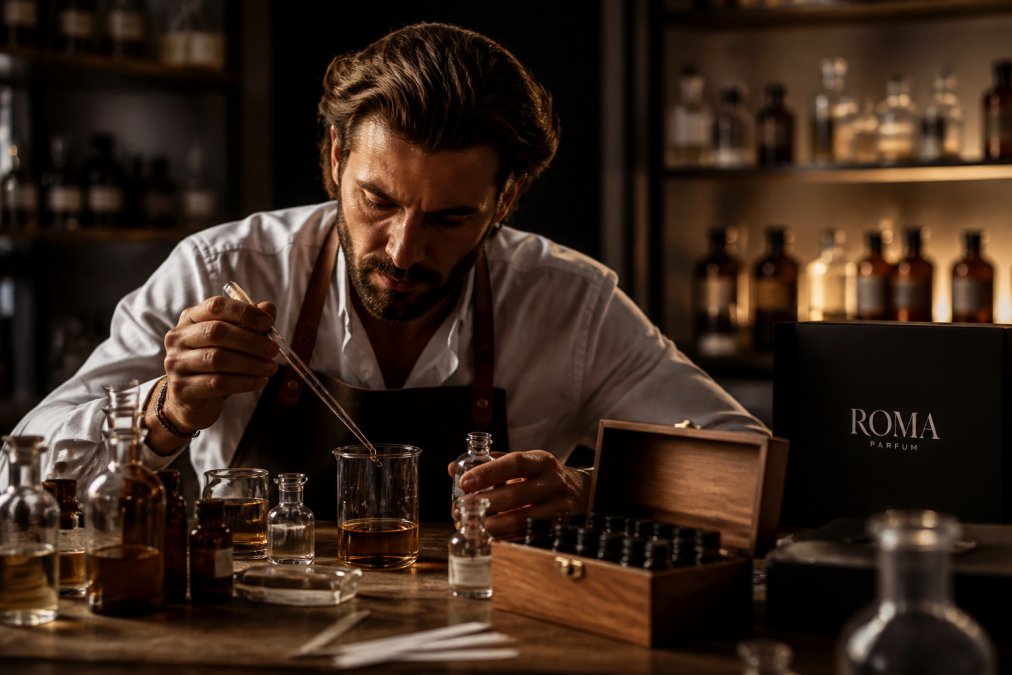
A niche perfumer often blends fragrances by hand, then allows the blend to macerate (sit undisturbed) for weeks or months. This maceration period allows fragrance components to marry together, creating a more cohesive scent. Mass-market fragrances skip or shorten this step; niche fragrances improve with time.
Small-batch production also enables creative freedom. A perfumer can pursue an unusual scent direction without worrying about mass appeal, creating fragrances inspired by specific places, the smell of wet stone in a Moroccan medina, the green freshness of a Japanese forest after rain. These specificity-driven fragrances draw fragrance enthusiasts because they're unforgettable, not universally likeable.
Longevity, Sillage, and Olfactory Performance
Longevity in a niche fragrance typically ranges from 8 to 24 hours, depending on concentration and base note composition. A properly formulated Eau de Parfum should last at least 8 hours; an Extrait de Parfum should last 12-24 hours. If a fragrance fades to skin scent within 4 hours, something is wrong with the formulation.
Sillage refers to the scent trail a fragrance creates as you move. A fragrance with strong sillage announces itself; a fragrance with soft sillage is intimate. Neither is objectively better; preference depends on context and personality.
Olfactory fatigue, your nose adapting to a smell over time, separates quality fragrances from mediocre ones. Mass-market fragrances often trigger olfactory fatigue quickly because they rely on a narrow set of aromatic compounds. Niche fragrances resist olfactory fatigue by layering multiple aromatic compounds with different chemical structures, so your nose adapts to one component while another becomes noticeable. The fragrance continues to evolve throughout the day.
How to Try Niche Fragrances: Free Fragrance Samples and Discovery
The barrier to entry for niche fragrances is real, a full bottle costs $150-$300. Free fragrance samples become essential to the discovery process. Many niche fragrance retailers offer sample programs where you order small vials (2-5ml) to test before committing to a full bottle.
The Roma Parfum mailing list provides early access to new releases and exclusive sample offerings, connecting you to the brand's creative process and giving you first access to limited releases before they sell out.
When ordering samples, look for retailers that offer them at no cost or for a small fee. Quality retailers recognize that samples are marketing investments that convert sample users to full-bottle buyers.
The Reality of Quality: Synthetic vs Natural Ingredients and Sustainability
Natural doesn't mean better. Sustainable doesn't mean natural. Understanding these distinctions is crucial to evaluating niche quality.
Natural ingredients come from plants and animals; synthetic ingredients are created in laboratories. Both can be high-quality. A perfumer might choose a synthetic molecule because it's more stable, more consistent, or captures a specific aromatic facet that no natural ingredient can deliver.
The sustainability question is more complicated. Natural ingredients require land, water, and harvest labor; overfarming rare botanicals can deplete ecosystems. Synthetic ingredients require energy and chemical processing. Neither approach is inherently more sustainable.
Many niche perfumers pursue sustainability seriously, sourcing from suppliers practicing regenerative agriculture, using synthetic ingredients where they reduce environmental impact, and supporting fair-trade practices. These commitments add cost, contributing to higher fragrance prices.
A niche perfumer often publishes information about ingredient sourcing, production methods, and environmental practices, inviting scrutiny because they're confident in their choices.
Understanding what makes a fragrance niche quality helps you make informed choices about where your fragrance investment goes. Quality fragrances reward you with longevity, complexity, and a sense of discovery that mass-market options simply can't match. Roma Parfum's approach combines premium ingredient sourcing, small-batch production methods, and artistic storytelling to create fragrances that last and tell meaningful stories. Explore the mailing list to access exclusive samples and early releases before they sell out.
Frequently Asked Questions
What qualifies a fragrance as niche quality?
Niche fragrance quality is defined by superior raw materials, higher fragrance concentration (typically 15-40% fragrance oils), small-batch production methods, and creative freedom from mass-market constraints. Niche fragrances prioritize olfactory artistry over broad appeal, using rare ingredients like oud, ambergris, and hand-extracted botanicals. The perfumer's artistic vision drives composition rather than commercial formulas. Quality niche fragrances deliver exceptional longevity, distinctive scent profiles, and selective distribution through boutique retailers.
How does niche fragrance concentration affect longevity?
Fragrance concentration directly impacts how long a scent lasts on your skin. Niche fragrances typically contain 15-40% fragrance oils, compared to designer fragrances at 5-15%. Higher concentration means more aromatic molecules, resulting in scents that project for 8-12+ hours and linger for 24-36 hours. Extrait de parfum, the highest concentration, delivers extreme longevity and sillage. This performance difference justifies the premium pricing and explains why niche fragrances require fewer reapplications throughout the day.
Why do niche fragrances cost more than designer brands?
Niche fragrances command higher prices due to superior raw materials, smaller production batches, and creative autonomy. Artisan perfumers source rare botanicals and synthetic molecules unavailable to mass-market brands, increasing ingredient costs significantly. Small-batch production eliminates economies of scale, raising per-unit manufacturing expenses. Additionally, niche houses invest heavily in storytelling and selective distribution rather than mass advertising. The result is a premium product that reflects genuine craftsmanship, ingredient quality, and artistic integrity rather than marketing hype.
Can free fragrance samples help me find my niche scent?
Free fragrance samples are invaluable for discovering niche fragrances without committing to full bottles. Many niche fragrance houses, including boutique retailers, offer sample sets or discovery programs that let you test multiple scents before purchasing. Samples reveal how a fragrance performs on your skin chemistry, how it evolves through the olfactory pyramid (top, heart, and base notes), and whether its longevity matches your expectations. This low-risk approach helps you identify your preferred scent profiles and confirm quality before investing in a full-size bottle.
This article was written using GrandRanker