

Table of Contents
- Artisan Fragrance vs Mass Market: What Sets Them Apart
- Niche vs Designer Perfume: Understanding the Market Divide
- Fragrance Ingredient Quality and Sourcing
- Benefits of Artisan Perfume: Longevity, Complexity, and Storytelling
- Production Scale, Exclusivity, and Sustainability
- Price Point Analysis: Value and Investment Potential
- Artisan vs Mass-Market Fragrances: Side-by-Side Comparison
- Which Type of Fragrance Is Right for You?
Last Updated: August 23, 2026
Artisan Fragrance vs Mass Market: What Sets Them Apart
The fragrance market splits into two distinct worlds: one relies on industrial efficiency and broad appeal, the other prioritizes rare ingredients, small-batch production, and emotional storytelling. Understanding the difference between artisan fragrance vs mass market isn't just about price, it's about what you're actually buying and wearing on your skin.
At Roma Parfum, we've spent years crafting luxury niche fragrances that prove this distinction matters. The gap extends far beyond marketing to ingredient sourcing, production philosophy, longevity, and the entire sensory experience.
Niche vs Designer Perfume: Understanding the Market Divide
Niche fragrances are created by smaller fragrance houses with creative autonomy. Designer fragrances occupy the middle ground, luxury brands with significant marketing budgets that maintain quality standards. Mass-market fragrances are produced at scale by large corporations, prioritizing accessibility and familiar scent profiles.
Each category operates under different constraints. A niche perfumer can spend months developing a single fragrance for a small audience. A designer brand balances artistry with commercial viability. Mass-market producers optimize for volume and seasonal trends.
The real divide emerges in creative freedom. A niche perfumer can craft unusual top notes or challenging base notes without worrying about offending mainstream taste. Designer brands compromise, creating beautiful fragrances within parameters that ensure broad appeal. Mass-market fragrances are engineered for immediate recognition and mass appeal.
Marketing budgets tell the story: a mass-market fragrance might spend 60-70% of its budget on advertising and packaging, while a niche fragrance invests that money into ingredient quality and production precision. That's why artisan fragrances appear in boutiques and specialty retailers, not on department store shelves competing for attention.
Fragrance Ingredient Quality and Sourcing
Natural vs Synthetic Ingredients
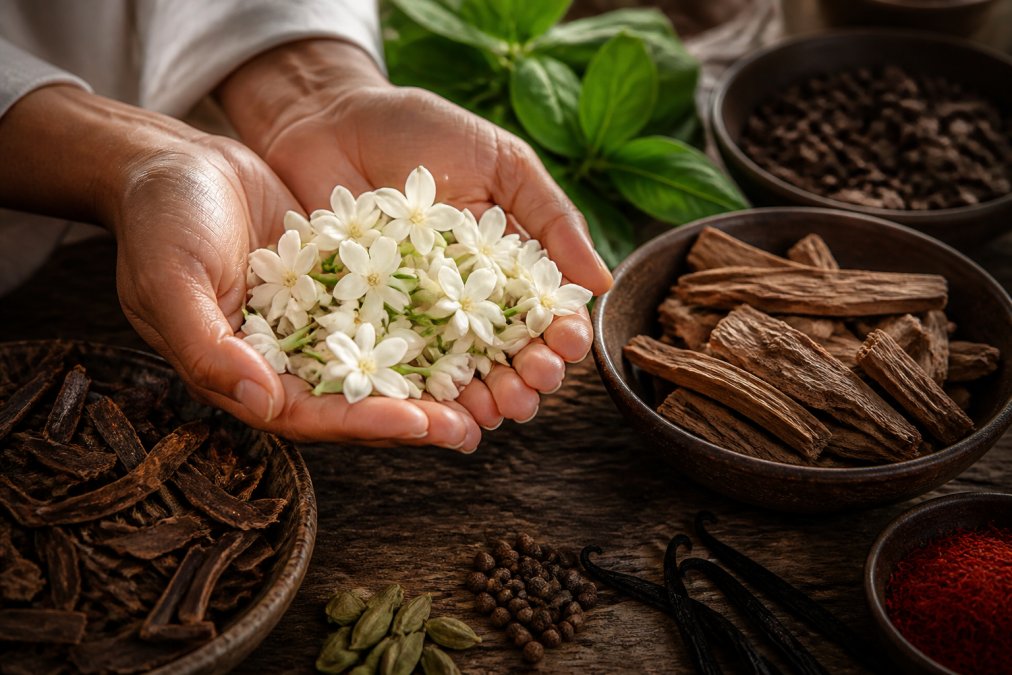
Niche perfumers source both natural and synthetic ingredients, but they select them for quality, not cost. A natural jasmine absolute from a specific region costs exponentially more than a synthetic jasmine compound that smells similar in a test strip.
Mass-market fragrances rely heavily on synthetics for consistency, affordability, and shelf-stability. Synthetics allow manufacturers to create scent profiles that don't exist in nature, but they can smell plastic-like or flat when used as the dominant note structure.
Artisan fragrances blend natural and synthetic ingredients strategically. They might use rare natural oud as the foundation, then layer in carefully selected synthetics to extend longevity or add complexity. This hybrid approach creates depth that pure naturals or pure synthetics struggle to achieve alone.
Natural ingredients age and evolve, while synthetic ingredients remain stable. A niche fragrance with natural components might smell different in month one versus month six, not a defect, but the fragrance maturing.
Raw Material Selection and Exclusivity
Niche perfumers build relationships with specific growers, distillers, and suppliers. They might source Bulgarian rose absolute from a single producer or oud from a particular forest region. This exclusivity costs money but creates scent profiles that can't be replicated.
Mass-market brands source from commodity markets, buying ingredients that meet specifications. The ingredient works, but it lacks the character that comes from single-origin sourcing.
Artisan fragrances often use raw materials from smaller production runs. A niche house might purchase a limited harvest of a rare ingredient, knowing it won't be available again for months. You're not just buying a scent; you're buying a moment in time when these specific materials were available.
Artisan producers tend to work with suppliers who practice sustainable harvesting. Mass-market production prioritizes volume, which can lead to over-harvesting of rare botanicals. Some niche fragrance houses have certified their supply chains because they're invested in long-term access to quality materials.
Benefits of Artisan Perfume: Longevity, Complexity, and Storytelling
Scent Concentration and Lasting Power
Scent concentration, the percentage of fragrance oils in the formula, directly impacts how long a fragrance lasts on your skin.
Eau de Cologne: 2-4% fragrance oils (lasts 1-2 hours) Eau de Toilette: 5-15% fragrance oils (lasts 3-5 hours) Eau de Parfum: 15-20% fragrance oils (lasts 5-8 hours) Extrait de Parfum: 20-40% fragrance oils (lasts 8-24+ hours)
Roma Parfum creates fragrances with 40% oil concentration, the maximum viable level before the formula becomes too thick to spray (peer-reviewed research). This concentration delivers scents that linger for 36 hours on fabric and 12-18 hours on skin.
Mass-market fragrances typically max out at 15% concentration (the FDA). They're designed to be reapplied, that's the business model. Niche fragrances prioritize longevity, so you use less product and rebuy less frequently.
A mass-market fragrance on your wrist at 8 AM is barely detectable by noon. An artisan fragrance at 40% concentration still projects at 6 PM. Higher concentration also means you apply less. A single spray of 40% extrait de parfum covers more skin area and lasts longer than three sprays of a typical eau de parfum. The cost-per-wear often favors artisan fragrances despite their higher price point.
Olfactory Profile and Creative Freedom
An olfactory profile is the complete sensory journey a fragrance takes from first spray to final dry down. This is where artisan fragrances demonstrate their creative autonomy.
A mass-market fragrance is engineered for immediate impact. The top notes hit hard and are designed to create a positive first impression. The heart notes are pleasant but predictable. The dry down fades quietly. The entire arc is optimized for a shopping experience.
Artisan fragrances often challenge this structure. A niche perfumer might create unusual top notes that evolve into beauty over time. The heart notes might be complex, with 8-10 distinct ingredients creating a scent that's difficult to name but impossible to ignore. The dry down can be the best part, revealing base notes that continue to evolve for hours.
This creative freedom produces fragrances that aren't immediately likeable to everyone, they're polarizing. Mass-market fragrances are engineered to be universally likeable on first encounter.
Each niche fragrance often has a narrative. Roma Parfum fragrances, for example, are crafted as personal anthems or love letters, blending rare botanicals with artistic storytelling. You're not just wearing a scent; you're wearing a story.
Production Scale, Exclusivity, and Sustainability
Small-Batch Craftsmanship vs Mass Production
A niche fragrance house might produce 500-5,000 bottles per scent per year (sba.gov). A mass-market fragrance can produce millions. This difference affects ingredient selection, quality control, and the ability to iterate.
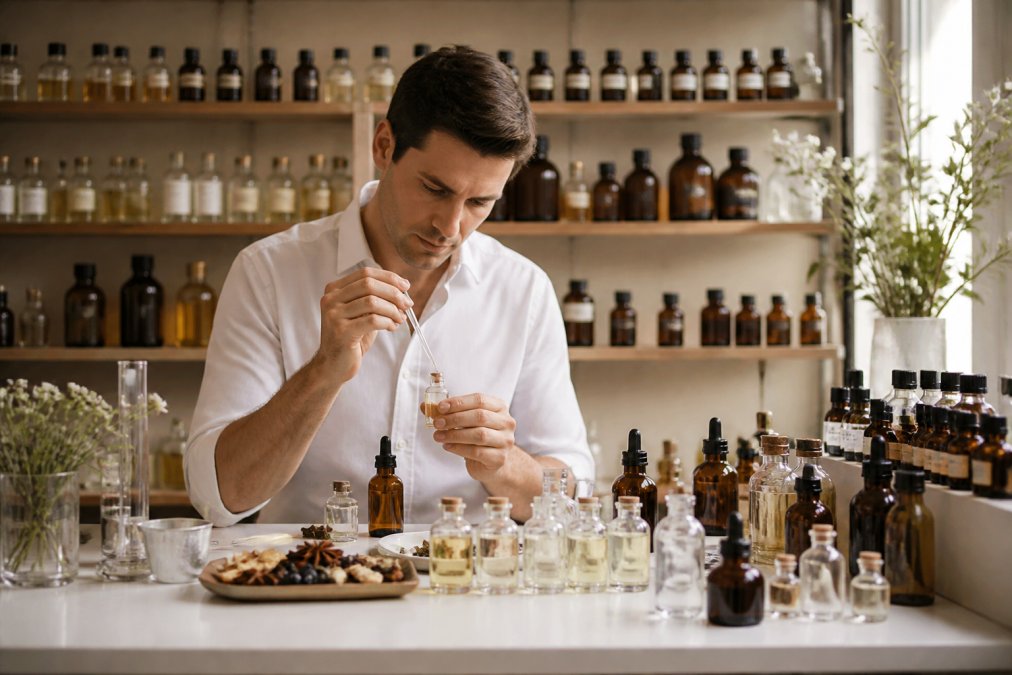
Small-batch production means a perfumer can hand-select each batch of raw materials. If a new harvest doesn't meet standards, they wait for the next harvest. Mass production can't wait and must adjust formulas or substitute with synthetics.
Limited production creates exclusivity. When a niche fragrance sells out, it's gone. Some artisan houses reformulate slightly for the next batch, creating variation between production runs that collectors value. Mass-market fragrances maintain absolute consistency.
A small fragrance house might have a master perfumer who personally approves every batch. Mass production relies on standardized processes and automated quality checks. Both approaches work, but they produce different results.
Ethical Sourcing and Environmental Impact
Niche fragrance houses often prioritize ethical sourcing because they have direct relationships with suppliers. They can verify that oud comes from sustainable farms and that workers are treated fairly. This transparency costs more but aligns with customer values.
Mass-market production optimizes for cost, which can lead to environmental and ethical corners being cut. Large-scale harvesting of rare botanicals has contributed to deforestation and species depletion. Some mass-market brands address this with synthetic alternatives, but the motivation is often supply chain security rather than environmental ethics.
Artisan fragrances typically use minimal, high-quality packaging. Some niche fragrance houses offer refill programs or refillable bottles, reducing waste. Roma Parfum's focus on emotionally driven fragrances that become lasting memories implies longevity, you keep wearing them, not discarding them for the next trend.
Price Point Analysis: Value and Investment Potential
A mass-market fragrance might cost $40-80 and last 3-5 hours. You'll reapply it regularly, buying new bottles every 2-3 months if you wear it daily. Over a year, you're spending $200-400 on fragrance that fades by afternoon.
An artisan fragrance with 40% concentration costs more upfront but lasts 12-18 hours on skin and 36 hours on fabric. You apply it once, maybe twice a day. A single bottle lasts 6-12 months. The cost-per-wear often favors artisan fragrances despite their higher price point.
Rare niche fragrances, limited editions, discontinued scents, or fragrances from legendary perfumers appreciate in value. Collectors buy and sell them on secondary markets. A fragrance released 10 years ago by a respected niche house might be worth 2-3x its original price today. Mass-market fragrances never appreciate; they depreciate immediately.
This investment angle appeals to serious fragrance enthusiasts who view their collection as both personal expression and financial asset. The value proposition depends on your priorities. If you want variety and enjoy frequent scent changes, mass-market fragrances offer better economics. If you want longevity, complexity, and the possibility of appreciation, artisan fragrances deliver superior value.
Artisan vs Mass-Market Fragrances: Side-by-Side Comparison
| Factor | Artisan Fragrance | Mass-Market Fragrance | Winner for Longevity |
|---|---|---|---|
| Oil Concentration | 20-40% | 5-15% | Artisan |
| Longevity on Skin | 12-24+ hours | 3-5 hours | Artisan |
| Scent Complexity | 8-15+ ingredients | 4-8 ingredients | Artisan |
| Ingredient Sourcing | Single-origin, curated | Commodity, standardized | Artisan |
| Production Scale | 500-5,000 bottles/year | Millions of bottles/year | Artisan (exclusivity) |
| Price Range | Pricing depends on quantity, dates, and delivery. | $40-100 | Mass-Market (affordability) |
| Reapplication Needed | Minimal (1-2x daily) | Frequent (3-4x daily) | Artisan |
| Creative Freedom | High | Limited | Artisan |
| Sustainability Focus | Often prioritized | Cost-driven | Artisan |
| Resale Value | Appreciates | Depreciates | Artisan |
| Availability | Limited, exclusive | Widely available | Mass-Market |
| Storytelling Element | Strong | Minimal | Artisan |
This comparison reveals the fundamental trade-off: mass-market fragrances prioritize accessibility and affordability, while artisan fragrances prioritize longevity, complexity, and exclusivity.
Which Type of Fragrance Is Right for You?
Choosing between artisan and mass-market fragrances depends on your specific needs and values.
Choose mass-market fragrances if:
- You enjoy variety and like rotating scents frequently
- Budget is your primary concern
- You prefer familiar, universally appealing scent profiles
- You don't want to commit to a single fragrance long-term
- Immediate impact matters more than longevity
Choose artisan fragrances if:
- You want a fragrance that lasts all day without reapplication
- You value creative complexity and unusual scent profiles
- Ethical sourcing and sustainability matter to you
- You're willing to invest in quality and longevity
- You want a fragrance that tells a story or reflects your personality
- You appreciate collecting and building a curated collection
- You want a fragrance that evolves over hours
The decision comes down to how you relate to fragrance. Is it an accessory you change with your mood and outfit? Or is it an extension of your identity that you want to last and develop over hours?
For serious fragrance enthusiasts, artisan fragrances deliver an experience that mass-market options simply can't match. The longevity, complexity, and storytelling create a relationship with your fragrance that goes beyond wearing a pleasant smell.
Roma Parfum represents this artisan approach, creating emotionally driven fragrances with 40% oil concentration and rare botanicals that linger for 36 hours. Each fragrance is crafted as a personal anthem, designed for those who view fragrance as an art form rather than a commodity.
The fragrance you choose says something about your values. Mass-market fragrances are efficient and accessible. Artisan fragrances are intentional and invested. Understanding the difference lets you make a choice that aligns with how you want to experience fragrance.
=== FAQ ANSWERS (audit these too, same rules) ===
[1] Q: What exactly defines an artisan fragrance compared to a mass market perfume? A: Artisan fragrances prioritize creative autonomy, hand-extracted oils, and rare botanicals in small-batch production, while mass-market perfumes focus on commercial viability and broad appeal through synthetic ingredients and large-scale manufacturing. Artisan perfumers design scents for emotional resonance and storytelling, whereas mass-produced fragrances optimize for accessibility and consistent shelf presence.
[2] Q: Are artisan fragrances worth the higher price point? A: Yes, if longevity, ingredient quality, and uniqueness matter to you. Artisan fragrances typically contain 30-40% fragrance concentration compared to 5-15% in mass-market options, meaning they last significantly longer and project more powerfully. You're also paying for hand-extracted oils, rare botanicals, limited distribution, and the creative autonomy of the perfumer. However, value is personal: if you enjoy experimenting with affordable scents or prefer lighter fragrances for everyday wear, mass-market options may suit you better.
[3] Q: How do I know if a fragrance is truly artisan or just marketed as niche? A: Look for transparency about ingredient sourcing, perfumer identity, and production methods. Genuine artisan houses share details about their raw materials, often highlighting rare or hand-extracted oils. Check whether the brand tells a story tied to the perfumer's vision or personal narrative rather than generic marketing language. Research the producer's history, batch sizes, and distribution model. Artisan brands typically have limited availability, smaller production runs, and clear information about oil concentration and longevity claims backed by customer experience.
[4] Q: What role does storytelling play in artisan perfume creation? A: Storytelling is central to artisan fragrance identity. Each composition becomes a personal anthem or love letter, reflecting the perfumer's heritage, passions, or personal transformation. This narrative-driven approach influences scent architecture and ingredient selection, creating emotional resonance that extends beyond the olfactory experience. Mass-market fragrances may use storytelling in marketing, but artisan perfumes embed the narrative into the actual formulation, making the scent a tangible expression of the creator's vision rather than a product designed for maximum commercial appeal.
Frequently Asked Questions
What exactly defines an artisan fragrance compared to a mass market perfume?
Artisan fragrances prioritize creative autonomy, hand-extracted oils, and rare botanicals in small-batch production, while mass-market perfumes focus on commercial viability and broad appeal through synthetic ingredients and large-scale manufacturing. Artisan perfumers design scents for emotional resonance and storytelling, whereas mass-produced fragrances optimize for accessibility and consistent shelf presence.
Are artisan fragrances worth the higher price point?
Yes, if longevity, ingredient quality, and uniqueness matter to you. Artisan fragrances typically contain 30-40% fragrance concentration compared to 5-15% in mass-market options, meaning they last significantly longer and project more powerfully. You're also paying for hand-extracted oils, rare botanicals, limited distribution, and the creative autonomy of the perfumer. However, value is personal: if you enjoy experimenting with affordable scents or prefer lighter fragrances for everyday wear, mass-market options may suit you better.
How do I know if a fragrance is truly artisan or just marketed as niche?
Look for transparency about ingredient sourcing, perfumer identity, and production methods. Genuine artisan houses share details about their raw materials, often highlighting rare or hand-extracted oils. Check whether the brand tells a story tied to the perfumer's vision or personal narrative rather than generic marketing language. Research the producer's history, batch sizes, and distribution model. Artisan brands typically have limited availability, smaller production runs, and clear information about oil concentration and longevity claims backed by customer experience.
What role does storytelling play in artisan perfume creation?
Storytelling is central to artisan fragrance identity. Each composition becomes a personal anthem or love letter, reflecting the perfumer's heritage, passions, or personal transformation. This narrative-driven approach influences scent architecture and ingredient selection, creating emotional resonance that extends beyond the olfactory experience. Mass-market fragrances may use storytelling in marketing, but artisan perfumes embed the narrative into the actual formulation, making the scent a tangible expression of the creator's vision rather than a product designed for maximum commercial appeal.
The fragrance market has shifted. Consumers increasingly recognize that longevity, ingredient quality, and storytelling matter more than marketing budgets and shelf space. Roma Parfum was built on this insight, creating luxury niche fragrances that become lasting memories through 40% oil concentration, hand-extracted oils, and rare botanicals. Explore the Roma Parfum collection and get on our mailing list to discover fragrances that go beyond scent to become part of your personal story.
This article was written using GrandRanker