

Table of Contents
- What Makes Niche Fragrance Worth the Price
- Niche vs Designer Fragrance: Where the Real Difference Lies
- Why Are Niche Perfumes So Expensive
- Cost-Per-Wear Analysis: The True Measure of Value
- How to Sample Niche Perfumes Before Committing
- The Diminishing Returns Threshold in Fragrance Pricing
- Sustainability and Resale Value: Hidden Worth in Niche Scents
- Conclusion
Last Updated: August 8, 2026
What Makes Niche Fragrance Worth the Price
Niche fragrances command higher prices because they operate under a fundamentally different business model than designer fragrances. A niche house produces smaller batches, sources rare and expensive raw materials, and invests heavily in perfumer talent. A designer fragrance is engineered for mass-market appeal and manufactured at enormous scale, distributing costs across millions of units.
Niche fragrances often use significantly higher fragrance concentration, 15-40% versus 3-5% in typical designer fragrances, which directly impacts longevity, sillage, and scent intensity. This concentration difference alone explains a substantial portion of the price premium.
The real question isn't whether niche fragrances cost more; they do. The question is whether that premium translates to measurable value for your specific use case.
Niche vs Designer Fragrance: Where the Real Difference Lies
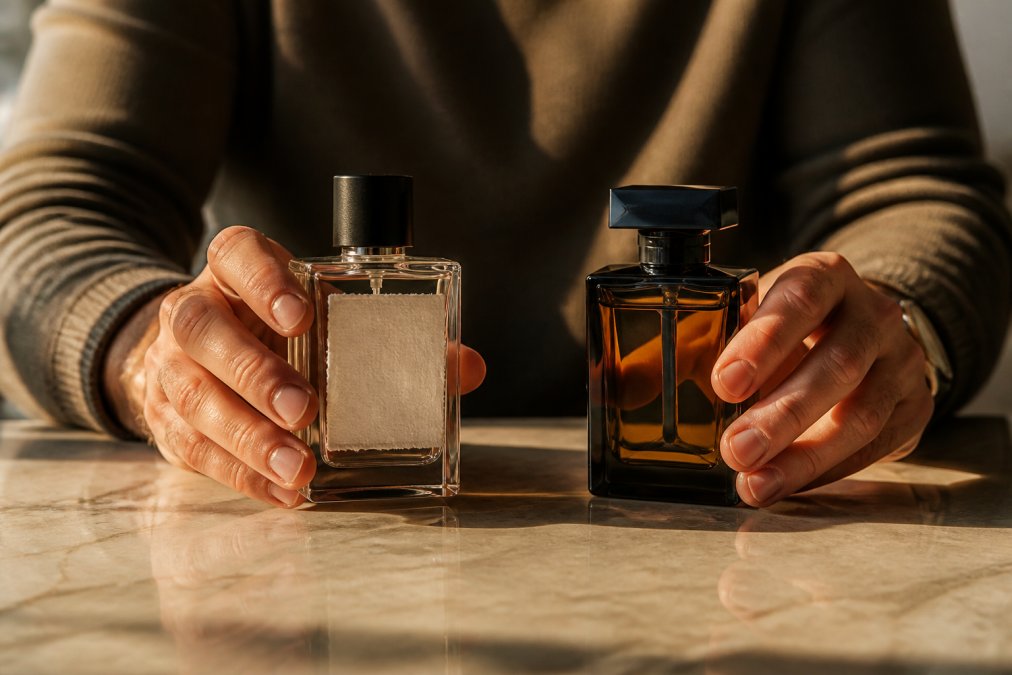
Niche fragrance is a luxury product manufactured in limited quantities by independent perfumeries that prioritize artistic vision and rare ingredients over mass-market appeal. Designer fragrance is produced at scale by large corporations, formulated to appeal to the broadest possible audience, and distributed through department stores and mass retailers.
Raw Materials and Sourcing
Niche perfumeries often source raw materials directly from specialized suppliers, sometimes commissioning custom extractions of specific botanicals from single regions. Designer fragrances source from commodity suppliers, prioritizing cost efficiency and consistency at scale. The perfumer's vision in a niche house is typically unconstrained by market research; a designer fragrance is engineered through extensive testing to maximize broad appeal.
Fragrance Concentration and Longevity
Most designer fragrances are formulated as eau de toilette (3-5% fragrance concentration). Many niche fragrances are eau de parfum (15-20%) or extrait de parfum (40%+). A designer eau de toilette might project for 2-3 hours and fade within 4-5 hours. A niche eau de parfum might project for 6-8 hours and remain detectable for 12-24 hours.
Small Batch vs Mass Production
Niche houses typically produce fragrances in batches measured in hundreds or low thousands of bottles annually, allowing for hand-bottling and careful quality control. Mass-market production runs can exceed millions of units, creating consistency but reducing flexibility. Many fragrance enthusiasts seek out the subtle batch variation in niche fragrances as character.
Why Are Niche Perfumes So Expensive
Raw Material Costs
Niche perfumeries frequently use rare, expensive ingredients that designer houses avoid or use sparingly. Oud can cost thousands of dollars per kilogram in its finest forms; a niche fragrance might contain 5-10% oud while a designer fragrance uses synthetic alternatives or trace amounts. A niche house buying 100 kilograms of a rare ingredient pays higher per-unit costs than a designer house buying 10,000 kilograms of a commodity version.
Perfumer Talent and Development
Top perfumers command substantial fees for fragrance development, $50,000-$150,000+ to develop a custom fragrance. That cost gets distributed across the fragrance's entire production run. If a niche house produces 5,000 bottles annually, the perfumer's fee adds roughly $10-$30 per bottle. A designer house producing 5 million bottles distributes the same fee across millions of units, making it negligible per-bottle.
Packaging and Presentation
Designer fragrances optimize for shelf impact and retail efficiency with standardized bottles and cost-effective materials. Niche fragrances often use custom glass, hand-applied labels, and premium packaging. A niche fragrance bottle might cost $8-$15 to produce; a designer bottle might cost $1-$3.
Marketing and Distribution
Designer fragrances spend millions on celebrity endorsements and mass advertising, distributing costs across enormous sales volumes. Niche fragrances rely on word-of-mouth and targeted digital marketing, with per-unit marketing costs higher despite lower absolute spending.
Cost-Per-Wear Analysis: The True Measure of Value
How to Calculate Cost-Per-Wear
A 50ml bottle contains roughly 1,000 sprays. If you use 4 sprays per wear, that's approximately 250 wears from a 50ml bottle. Divide the purchase price by the number of wears. If you pay $200 for a 50ml niche fragrance and get 250 wears, your cost-per-wear is $0.80. If you pay $80 for a 50ml designer fragrance and get 150 wears, your cost-per-wear is $0.53.
However, this analysis only accounts for quantity, not quality or utility. If the niche fragrance lasts through your entire workday without reapplication, the additional cost-per-wear might be justified.
The Longevity Premium
A niche fragrance with higher concentration typically lasts significantly longer than a designer alternative. A designer eau de toilette might fade to skin scent within 4 hours; a niche eau de parfum might remain noticeable for 12+ hours. This means fewer reapplications and extended bottle lifespan.
Fragrance Rotation and Collection Economics
If you own multiple fragrances and rotate them weekly, each fragrance gets worn roughly 35 times annually. A $200 niche fragrance worn 35 times per year costs $5.71 per wear. A $80 designer fragrance worn 35 times per year costs $2.29 per wear. However, fragrances you genuinely love get worn more often, which lowers their effective cost-per-wear.
How to Sample Niche Perfumes Before Committing
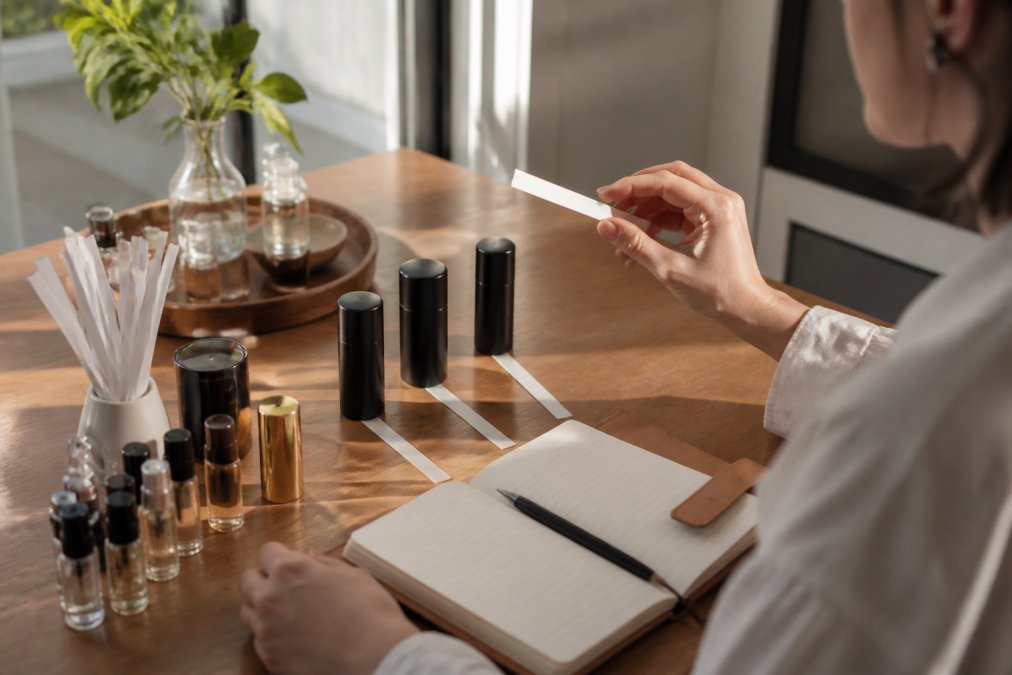
The single biggest mistake fragrance enthusiasts make is buying a full bottle without testing it first. Sampling is non-negotiable before committing to a $150+ purchase.
Fragrance Decants and Sample Vials
Most niche fragrance houses sell sample sizes (typically 2-5ml) at a fraction of the full-bottle price. A 5ml decant of a $200 fragrance might cost $15-$25, giving you roughly 10-15 wears to evaluate the scent. Decanting services within the fragrance community also allow access to samples of fragrances that don't offer official samples.
Blind Testing and Fragrance Swaps
Blind testing means evaluating a fragrance without knowing its name, price, or brand story, removing bias and forcing focus on actual scent and performance. Fragrance swaps within online communities allow you to trade fragrances you don't wear for samples or bottles from other collectors.
Evaluation Criteria During Testing
When testing a niche fragrance, focus on specific performance metrics:
- First 15 minutes (top notes): Does the opening appeal to you?
- 30 minutes to 2 hours (heart notes): What emerges as the top notes fade?
- 2-6 hours (dry down): How does the fragrance evolve?
- Longevity: How long does the fragrance remain noticeable on your skin?
- Projection and sillage: How far does the scent project?
- Skin chemistry match: Does the fragrance smell the same on you as on the tester strip?
Document these observations during your testing period. After 2-3 wears, you'll have enough data to make an informed decision.
The Diminishing Returns Threshold in Fragrance Pricing
The $100-$200 Sweet Spot
Most niche fragrances in the $100-$200 range represent solid value for the quality delivered. You're typically getting high fragrance concentration, quality raw materials, and competent perfumery. Above $200, improvements become more subtle. A $250 niche fragrance might have slightly rarer ingredients or a more celebrated perfumer, but the performance difference versus a $150 fragrance is often marginal.
Ultra-Luxury and Specialty Formulations
Fragrances priced above $300 typically feature ultra-rare ingredients, extremely limited production runs, or unusual concentrations. These can deliver exceptional performance and genuinely unique scent profiles, but they're only worth the premium if those specific qualities matter to your use case.
The Hype Factor
Some niche fragrances command premium prices based on hype, scarcity, or brand prestige rather than performance. If you're paying a premium for a fragrance, ensure you're paying for actual performance or artistry, not just rarity.
Sustainability and Resale Value: Hidden Worth in Niche Scents
Resale Value and the Fragrance Market
Designer fragrances typically depreciate rapidly, reselling for 25-40% of retail price. Niche fragrances, particularly limited editions or discontinued scents, often retain 60-80% of their purchase price. This means if you purchase a niche fragrance and decide it's not for you, you can recover a substantial portion of your investment.
Sustainability and Ethical Sourcing
Niche fragrance houses often have greater transparency about ingredient sourcing and production practices. The smaller scale of niche production makes it feasible to maintain ethical sourcing practices that would be economically prohibitive at mass-market scale.
Longevity as Sustainability
A fragrance that lasts 12+ hours on your skin means fewer applications per day. A fragrance that remains wearable for 12+ months means less waste over time. These performance characteristics translate to lower environmental impact per wear.
Conclusion
Is niche fragrance worth the price? The answer depends entirely on your specific situation. Compare cost-per-wear, test extensively before committing, understand what you're actually paying for, and recognize that the premium reflects real differences in raw materials, concentration, and artistry.
For fragrance enthusiasts seeking extreme longevity, unique scent profiles, and the emotional resonance of a fragrance tied to artistic vision, niche fragrance delivers measurable value. At Roma Parfum, we've built our entire approach around this principle, creating fragrances with 40% oil concentration, hand-extracted rare botanicals, and scents that linger for 36 hours because we believe fragrance should be an experience, not a commodity.
The decision ultimately comes down to how you use fragrance and what you value. Sample first, test thoroughly, and make the decision based on actual performance rather than price or prestige alone.
Frequently Asked Questions
Are niche fragrances actually more long-lasting than designer ones?
Yes, typically. Niche fragrances often contain 40% fragrance concentration or higher, compared to 3-8% in mass-market colognes. This higher concentration of raw materials directly translates to longer sillage and longevity. A niche fragrance with strong projection can last 8-12 hours or more, while designer fragrances often fade within 4-6 hours. The olfactory profile stays closer to the original scent composition throughout the day rather than deteriorating into a skin scent quickly.
How can you tell if a niche fragrance is worth the full bottle price?
Evaluate three factors: fragrance concentration (40% or higher indicates serious investment in raw materials), longevity (test a sample for at least 8 hours to confirm it lasts), and whether the scent composition aligns with your preferences through blind testing. Calculate cost-per-wear by dividing the bottle price by estimated wears before empty. If a niche fragrance lasts 12+ hours and you'll wear it 100+ times, the per-wear cost often matches or beats cheaper alternatives you replace more frequently.
What's the difference between niche and designer fragrances?
Niche fragrances prioritize olfactory profile and artisan craftsmanship over mass-market appeal. They use higher concentrations of premium raw materials, smaller batch production, and often feature complex scent pyramids with rare botanicals. Designer fragrances optimize for broad appeal and marketing reach, using lower fragrance concentrations and synthetic ingredients to reduce costs. Niche houses typically invest in the perfumer's vision without diluting it for commercial purposes, while designer brands balance scent quality with packaging costs and brand heritage marketing.
Do I need to sample niche perfumes before buying a full bottle?
Absolutely. Sampling niche perfumes is essential because olfactory fatigue and skin chemistry variations mean a scent that smells incredible on someone else may not work for you. Decanting small amounts or purchasing samples lets you test longevity, dry down, and how the fragrance evolves over 8+ hours. Most niche fragrance houses offer sampling programs or sample sets. Testing multiple niche scents helps you identify which ones justify the full-bottle investment versus which don't match your preferences.
This article was written using GrandRanker