

Table of Contents
- What Defines Artisan Fragrance Making
- The Olfactory Pyramid: Top, Middle, and Base Notes
- Raw Material Sourcing for Perfumery
- Methods of Scent Extraction: Distillation, Enfleurage, and Solvent Extraction
- Fragrance Maceration and Maturation in Artisan Perfumery
- Artisan vs. Commercial Perfume: Key Differences
- The Blending Process: Ratios, Formulas, and Troubleshooting
- Safety, Regulatory Compliance, and Quality Standards
Last Updated: August 20, 2026
What Defines Artisan Fragrance Making
Artisan fragrance making is the craft of creating niche perfumes in small batches using hand-selected ingredients, traditional extraction methods, and personalized formulation techniques. Unlike mass-market commercial fragrances, artisan fragrance making prioritizes quality over volume, storytelling over marketing, and emotional connection over shelf appeal.
At Roma Parfum, we understand that artisan fragrance making begins with a fundamental philosophy: every scent should tell a story. What separates true artisan fragrance making from commercial production is transparency and craft. Artisan creators optimize for olfactory impact and ingredient quality, working directly with perfumers and adjusting compositions based on seasonal availability or personal evolution. The artisan approach embraces imperfection, batch variations exist because natural ingredients fluctuate, proof that real botanicals form the foundation of the work.
The Olfactory Pyramid: Top, Middle, and Base Notes
The olfactory pyramid organizes a perfume's scent profile into three distinct layers that unfold over time. Each layer serves a specific purpose: top notes create immediate impact, heart notes provide the emotional core, and base notes deliver longevity and sillage. A well-constructed artisan fragrance balances these three layers so the wearer experiences a complete olfactory journey.
Top Notes: The First Impression
Top notes are volatile compounds that evaporate within the first 5 to 15 minutes of application. Common top note materials include citrus oils like bergamot and lemon, aromatic compounds like galbanum, and fresh herbal notes like ginger or pink pepper. An artisan perfumer chooses top notes strategically to hint at what's coming while standing on their own merit.
Heart Notes: The Soul of the Scent
Heart notes, also called middle notes, emerge as the top notes fade and form the emotional core of the fragrance. They typically last 30 minutes to several hours and represent the largest proportion of the composition. Floral notes like rose, jasmine, ylang-ylang, and gardenia create warmth and depth. Spice notes like cinnamon and clove add complexity. The challenge with heart notes is balance, they must be strong enough to carry the composition after the top notes vanish, but not so dominant that they overpower the base.
Base Notes and Fixatives: Longevity and Sillage
Base notes provide longevity and sillage, the scent's ability to project and linger on the skin. They emerge after 2 to 3 hours and can persist for 6 to 12 hours or longer. Fixatives like amber, vetiver, sandalwood, patchouli, and musk compounds have high molecular weight, which means they evaporate slowly and provide staying power. In artisan fragrance making, creating something that lasts and becomes a signature is the ultimate goal.
Raw Material Sourcing for Perfumery
Raw material sourcing is where artisan fragrance making begins. The ingredients you select determine the ceiling of your composition. Sourcing involves understanding where ingredients come from, how they're extracted, what quality markers indicate excellence, and whether they align with your brand's values.
Natural vs. Synthetic Ingredients
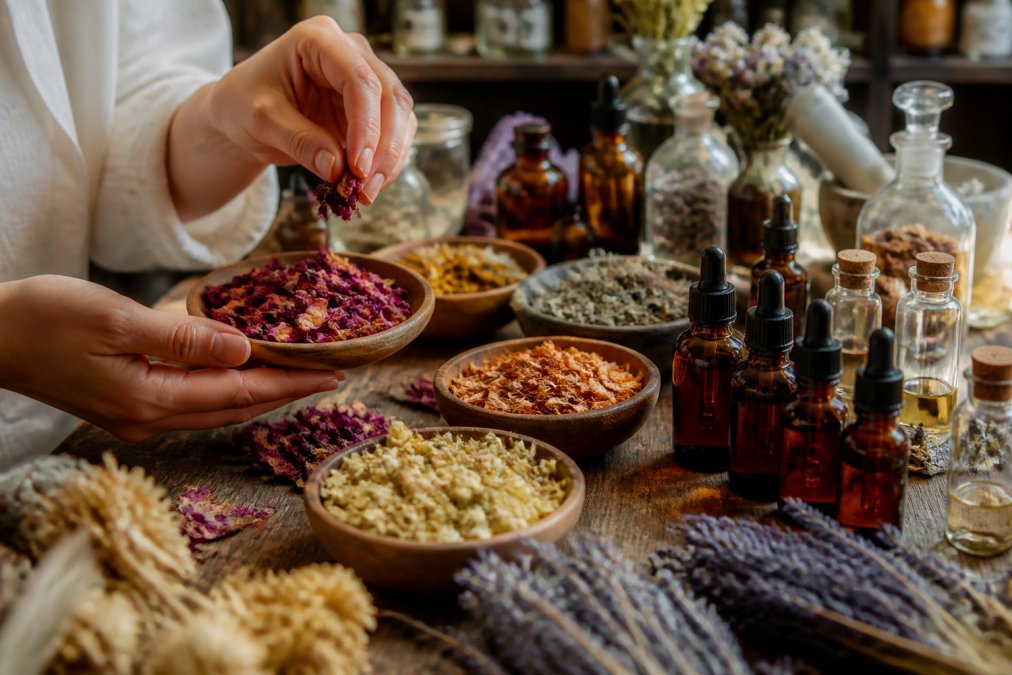
Most artisan perfumers use both natural and synthetic ingredients. Natural ingredients like essential oils and absolutes carry the complexity of their botanical source. A natural rose absolute contains hundreds of individual aromatic compounds that create depth and nuance. Synthetic ingredients offer consistency, stability, and sometimes greater intensity. For artisan fragrance making, variability in natural ingredients can be a feature rather than a flaw, proof of authenticity. A pragmatic approach, using synthetics strategically to enhance natural compositions, is increasingly common among serious artisan perfumers.
Sustainable Sourcing and Ethical Practices
Sustainable sourcing has become central to modern artisan fragrance making. Ethical artisan fragrance making requires knowing your suppliers and understanding the impact of your ingredient choices. Some perfumers work directly with farmers and distillers, building long-term relationships that ensure fair pricing and sustainable harvesting practices. Others seek certifications like Fair Trade or organic verification. Sustainability also means considering alternatives, if an ingredient is becoming scarce or its harvesting is environmentally destructive, an artisan perfumer might explore synthetic versions or botanical substitutes that deliver similar olfactory impact.
Methods of Scent Extraction: Distillation, Enfleurage, and Solvent Extraction
Extraction methods determine which aromatic compounds end up in your raw materials and, ultimately, in your finished fragrance. Different methods yield different results from the same botanical source.
Steam Distillation and Cold Pressing
Steam distillation is the oldest and most widely used extraction method in perfumery. Hot steam passes through plant material, vaporizing the volatile aromatic compounds. The vapor then cools and condenses into liquid, separating into essential oil and hydrosol. However, the heat involved can damage delicate aromatic molecules. Cold pressing, a mechanical extraction method used primarily for citrus oils, preserves the fresh, bright character that steam-distilled versions cannot match. Cold-pressed bergamot and lemon are staples in artisan fragrance making because they deliver intensity and freshness that other methods cannot.
Enfleurage and Solvent Extraction
Enfleurage is a historical extraction method that uses odorless fat to absorb aromatic compounds from fresh flowers. The process is labor-intensive and expensive, which is why it's rarely used in commercial production. For artisan fragrance making, it remains valuable because it preserves delicate floral notes that other methods destroy. Solvent extraction uses chemical solvents like hexane or ethanol to dissolve aromatic compounds from plant material. The resulting absolutes are rich and complex, often more intense than essential oils from the same source.
Fragrance Maceration and Maturation in Artisan Perfumery
Maceration and maturation are where artisan fragrance making separates from quick assembly. Maceration is the process of steeping blended fragrance oils in alcohol and letting them sit. During this time, components interact, marry, and evolve. Harsh notes soften. Subtle notes emerge. The fragrance becomes more cohesive and refined.
Why Time Matters in Small-Batch Production
Time is the luxury that large commercial manufacturers cannot afford. A mass-market fragrance might be blended and shipped within weeks. An artisan fragrance maker can wait months for a composition to mature fully. During maceration, volatile compounds gradually stabilize. Alcohol acts as a solvent, allowing all ingredients to fully dissolve and interact. A fragrance that smells sharp and disjointed on day one might smell harmonious and intentional after three months of maceration.
Achieving Batch Consistency
One challenge in artisan fragrance making is batch consistency. Each batch of raw materials varies slightly. Most serious artisan makers pursue consistency while accepting minor variations. This means maintaining detailed formulas with precise measurements, using the same suppliers when possible, and adjusting recipes when ingredient quality shifts. Documentation is critical, a perfumer maintains detailed records of every batch: exact ingredients, quantities, dates, maceration duration, and any adjustments made.
Artisan vs. Commercial Perfume: Key Differences
The distinction between artisan and commercial perfume shapes everything about how fragrances are created, positioned, and experienced. Commercial perfume is engineered for mass appeal, shelf stability, and profit margins. Artisan perfume is crafted for emotional resonance, ingredient quality, and artistic expression.
Fragrance Concentration and Longevity
Fragrance concentration refers to the percentage of fragrance oils in the final product. Commercial fragrances typically range from 3% to 8% fragrance concentration. Artisan fragrances often exceed 15% or even 20%, with some reaching 40% concentration or higher. Higher concentration means more aromatic compounds on the skin, which translates to longer-lasting scent and greater projection. Roma Parfum's fragrances exemplify this principle, with formulations designed for extreme longevity, scents that linger for 36 hours or more.
Craftsmanship and Storytelling
Commercial perfume is a product. Artisan perfume is a narrative. An artisan fragrance often begins with a personal story or artistic vision that shapes every ingredient choice. Storytelling in artisan fragrance making also extends to transparency. Artisan makers often share their creative process, explain ingredient choices, and discuss why they selected specific materials. This transparency builds connection and justifies premium pricing.
The Blending Process: Ratios, Formulas, and Troubleshooting
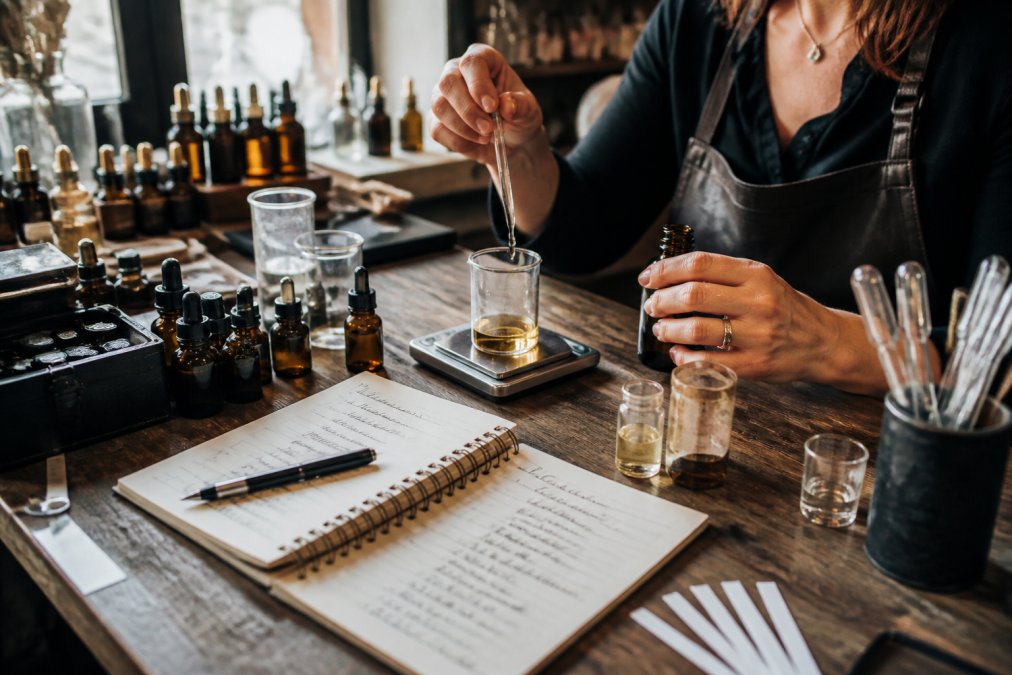
The blending process is where artisan fragrance making becomes technical and precise. A fragrance formula specifies exact quantities of each ingredient, typically measured in parts or percentages. A professional artisan perfumer maintains formulas with precision to the decimal point.
Understanding Dilution Ratios and Perfumer's Alcohol
Perfumer's alcohol is the carrier medium that dilutes fragrance oils to the desired concentration. Most commercial perfumer's alcohol is ethanol, often specifically denatured to prevent human consumption. Dilution ratios determine fragrance concentration. If you're creating an eau de parfum at 20% concentration, you're mixing 20 parts fragrance oil with 80 parts perfumer's alcohol. An artisan perfumer typically maintains a range of concentrations for the same composition.
Identifying and Fixing Off-Notes
An off-note is an unexpected or undesirable aroma that emerges during blending or maturation. Off-notes are common in artisan fragrance making and represent one of the biggest challenges in the craft. Identifying an off-note requires olfactory training and experience. Common troubleshooting approaches include adjusting ingredient ratios, extending maceration time to allow the off-note to resolve naturally, or introducing a new ingredient that masks or neutralizes the problem.
Safety, Regulatory Compliance, and Quality Standards
Artisan fragrance making operates within a regulatory framework designed to protect consumers. The fragrance industry in the United States is regulated by the FDA and the FTC. The FDA oversees safety and ingredient restrictions. The FTC oversees labeling and marketing claims. The International Fragrance Association (IFRA) maintains standards that the industry widely adopts.
IFRA Standards and Safe Handling Practices
IFRA standards specify safe levels for fragrance ingredients. Some materials are restricted or prohibited entirely due to toxicity or allergenicity concerns. Common IFRA restrictions affect materials like oakmoss, which is limited to 0.1% concentration due to allergenicity. Safrole, found in sassafras oil, is prohibited entirely. Safe handling practices protect the perfumer during creation and the consumer during use. Proper handling includes using gloves, working in ventilated spaces, and avoiding inhalation of concentrated vapors.
Labeling Requirements and Consumer Protection
Labeling requirements in the United States mandate that fragrance products include ingredient disclosure, concentration information, and warning statements where appropriate. The FTC requires that marketing claims be truthful and substantiated. Many artisan makers voluntarily provide more detailed ingredient information, viewing transparency as a competitive advantage. Allergen warnings are required for certain fragrance materials. Compliance with these regulations is non-negotiable for any artisan fragrance maker selling commercially.
Artisan fragrance making is a discipline that demands equal parts technical knowledge, artistic vision, and business acumen. The fragrance compositions that command attention and loyalty aren't created through shortcuts or cost-cutting. They're built through careful ingredient selection, precise blending, patient maturation, and rigorous quality control.
Roma Parfum's approach to artisan fragrance making reflects this commitment. Every composition is crafted with 40% oil concentration and hand-extracted oils that deliver extreme longevity and unique scent profiles. The focus on rare botanicals and niche artisan perfumery ensures that each fragrance tells a meaningful story rather than chasing mass-market trends. For anyone seeking fragrances that transcend commercial production, the investment in true artisan work delivers lasting value. Explore Roma Parfum's approach to luxury fragrance creation and discover how artisan fragrance making becomes a personal signature rather than a disposable purchase.
Frequently Asked Questions
What defines an artisan fragrance compared to mass-market perfumes?
Artisan fragrances prioritize small-batch production, rare or premium ingredients, and storytelling over volume. Artisan perfumers control every step, from sourcing botanicals to blending and aging, creating unique scent profiles with higher fragrance concentrations. Mass-market perfumes rely on standardized formulas, synthetic aroma chemicals, and rapid production cycles. Artisan makers often achieve extreme longevity and distinctive olfactory pyramids that evolve over hours, while commercial fragrances prioritize shelf stability and broad appeal.
Why does the maceration and maturation process matter in artisan fragrance making?
Maceration allows raw materials to infuse into the carrier base, developing complexity and depth that cannot be rushed. During maturation, molecular weight and evaporation rates stabilize, and fragrance accords marry into cohesive wholes. This aging period, often weeks to months, is critical for batch consistency and olfactory fatigue prevention. Artisan perfumers view maceration not as a delay but as essential chemistry that transforms individual notes into a unified scent profile with true longevity and presence.
How do artisan perfumers source their raw materials sustainably?
Sustainable sourcing involves direct relationships with growers, prioritizing renewable botanicals, and avoiding endangered species. Artisan perfumers often select cold-pressed or steam-distilled oils over solvent extraction when possible, reducing environmental impact. Many source from fair-trade suppliers and verify IFRA compliance for ethical ingredient handling. By investing in premium, traceable materials, artisan makers ensure batch consistency while supporting agricultural communities and protecting biodiversity, a commitment that differentiates niche perfumery from mass production.
What's the difference between fragrance concentration levels like EDP and EDT?
Fragrance concentration determines longevity and intensity. Extrait de Parfum (40% oil concentration or higher) delivers extreme longevity, often 36 hours or more, making it ideal for all-day wear. Eau de Parfum (15-20% concentration) offers strong projection with 6-8 hours of wear. Eau de Toilette (5-15%) is lighter and shorter-lasting. Artisan perfumers often favor higher concentrations to showcase complex olfactory pyramids and ensure their hand-extracted oils and rare botanicals remain noticeable throughout the day.
This article was written using GrandRanker