

Table of Contents
- Extrait de Parfum vs Eau de Parfum: Key Differences at a Glance
- What is Extrait de Parfum?
- What is Eau de Parfum?
- Longevity of Perfume Concentrations: How Long Each Lasts
- Sillage, Projection, and Scent Trail: What You Actually Experience
- How to Apply Extrait de Parfum for Maximum Performance
- Best Extrait de Parfum for Women: Choosing Your Signature Scent
- Price Point Comparison and Value Proposition
- Frequently Asked Questions
Last Updated: September 1, 2026
Extrait de Parfum vs Eau de Parfum: Key Differences at a Glance
The difference between extrait de parfum and eau de parfum comes down to fragrance concentration. Extrait de parfum contains 20-40% aromatic oils, while eau de parfum contains 15-20%. This gap translates directly into longevity, sillage, and intensity. Extrait de parfum delivers 12-24+ hours of wear with intimate sillage, while eau de parfum offers 6-8 hours with moderate projection. Neither is objectively better; the choice depends on your lifestyle, climate, and priorities.
What is Extrait de Parfum?
Extrait de parfum, also called pure perfume, contains the highest concentration of aromatic compounds in commercial fragrances, typically 20-40% fragrance oils with the remainder being alcohol and water. The term "extrait" reflects that these fragrances are concentrated extracts of aromatic materials, often featuring rare ingredients and precious botanical compounds that justify the elevated price.
The high oil concentration means aromatic molecules evaporate slowly from your skin, creating exceptional longevity. Many wearers report that quality extrait de parfum lasts 24-36 hours, with the scent profile evolving gradually through top, heart, and base notes. Because of its intensity, extrait de parfum has intimate sillage, projecting close to the body rather than filling a room. A few drops or light spray is typically sufficient.
What is Eau de Parfum?
Eau de parfum contains 15-20% fragrance oils and represents the most popular concentration in the luxury market. The name translates to "water of perfume," reflecting its composition of aromatic oils diluted in alcohol and water. Eau de parfum offers the sweet spot for many enthusiasts: strong longevity and presence without the intensity or price of extrait de parfum.
Most eau de parfum fragrances last 6-8 hours with moderate-to-strong sillage, making them ideal for work, social settings, and everyday wear. The higher volatility creates noticeable progression through the fragrance pyramid, with top notes fading within 15-30 minutes and base notes anchoring the final hours. Eau de parfum performs well across seasons and climates without overwhelming, and its accessible price point makes it practical for building a fragrance wardrobe.
Longevity of Perfume Concentrations: How Long Each Lasts
Longevity refers to how long a fragrance remains detectable on your skin after application, directly tied to aromatic oil concentration and specific compounds used.
Extrait de parfum typically lasts 12-24+ hours depending on skin chemistry, aromatic compounds, application technique, and environmental conditions. The high concentration means more aromatic material to evaporate, and heavier fixatives persist longer on skin.
Eau de parfum typically lasts 6-8 hours with noticeable presence, remaining detectable at subtle levels for 2-4 additional hours. Most people reapply if they want consistent fragrance presence throughout a longer period.
Several factors influence longevity:
- Skin chemistry: Oily skin holds fragrance longer than dry skin.
- Fragrance family: Oriental and woody fragrances typically last longer than fresh or citrus-based fragrances.
- Application technique: Applying to pulse points and slightly damp skin extends longevity.
- Climate and temperature: Heat accelerates evaporation; fragrances last longer in cool weather.
- Clothing and fabric: Fragrances applied to clothing last longer than those on bare skin.
| Concentration | Typical Longevity | Sillage | Best For |
|---|---|---|---|
| Extrait de Parfum | 12-24+ hours | Intimate to moderate | All-day/evening wear, special occasions |
| Eau de Parfum | 6-8 hours | Moderate to strong | Daily wear, work, varied environments |
Sillage, Projection, and Scent Trail: What You Actually Experience
Sillage refers to the scent trail you leave behind; projection describes how far your fragrance travels from your body. Together, they determine whether your fragrance is intimate or noticeable from across a room.
Extrait de parfum typically has intimate sillage and lower-to-moderate projection. The high concentration means a small amount goes a long way, creating depth close to your body while others nearby catch only a subtle hint. This sophisticated quality means the fragrance is primarily for your own enjoyment.
Eau de parfum typically has stronger projection and more noticeable sillage. The moderate concentration means the fragrance diffuses readily into the air, creating obvious presence in your immediate environment, desirable in social settings but more noticeable to everyone around you.
Several factors influence sillage and projection:
- Aromatic compound type: Volatile top notes project more obviously than heavier base notes.
- Alcohol content: Higher alcohol increases projection; lower alcohol creates intimate diffusion.
- Application amount: More application creates stronger projection. With extrait de parfum, less is more.
- Environmental factors: Air circulation, humidity, and temperature affect how a fragrance projects.
How to Apply Extrait de Parfum for Maximum Performance
Applying extrait de parfum correctly maximizes its value. Application technique matters more with this potent product.
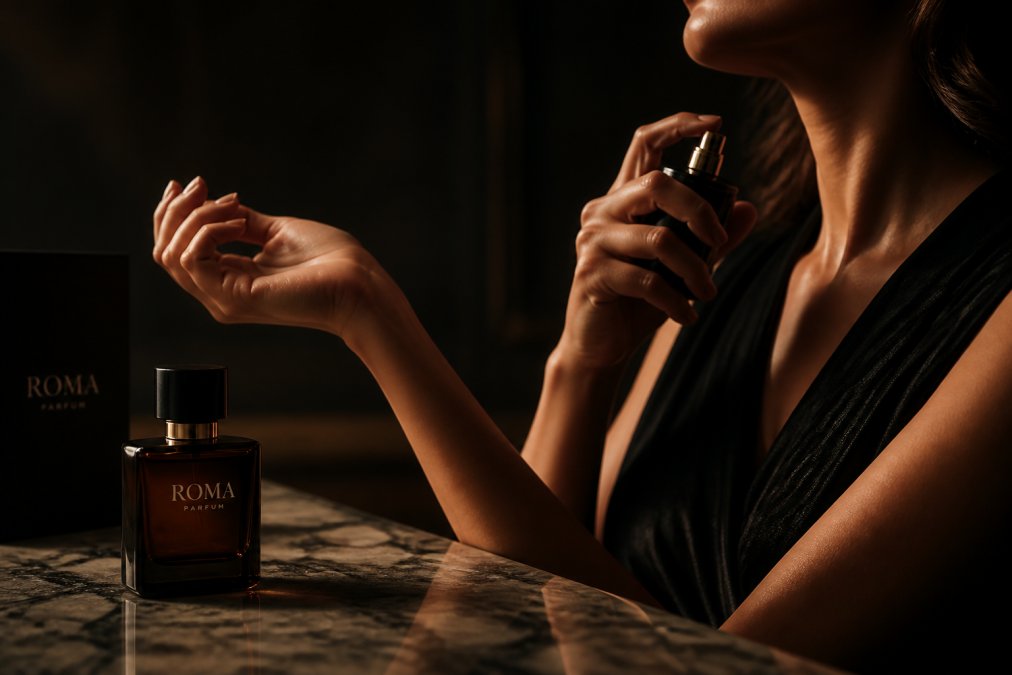
Apply to pulse points, inner wrists, inside elbows, behind ears, base of throat, and behind knees, where your body generates the most heat. Heat accelerates diffusion of aromatic compounds. Avoid rubbing your wrists together; instead, dab gently and let the fragrance settle.
Apply to slightly damp skin immediately after showering. Light moisture helps the fragrance develop evenly and can extend longevity. Avoid soaking-wet skin, which dilutes the fragrance.
Use restraint with quantity. Most people need only 1-2 sprays or a few drops. The high concentration provides noticeable presence with minimal product.
Apply before getting dressed so the fragrance settles before contacting clothing. Alternatively, apply directly to inconspicuous areas like the inside of your jacket, where fabric holds aromatic molecules effectively.
Consider layering for enhanced longevity. Apply unscented moisturizer to pulse points first, then extrait de parfum on top. The moisturizer slows evaporation, particularly useful for dry skin.
Reapply strategically if needed. Apply to a different area rather than the same pulse points to create natural progression and prevent overwhelming scent.
Best Extrait de Parfum for Women: Choosing Your Signature Scent
Selecting an extrait de parfum requires more consideration than choosing eau de parfum, given the higher investment and intensity of the experience.
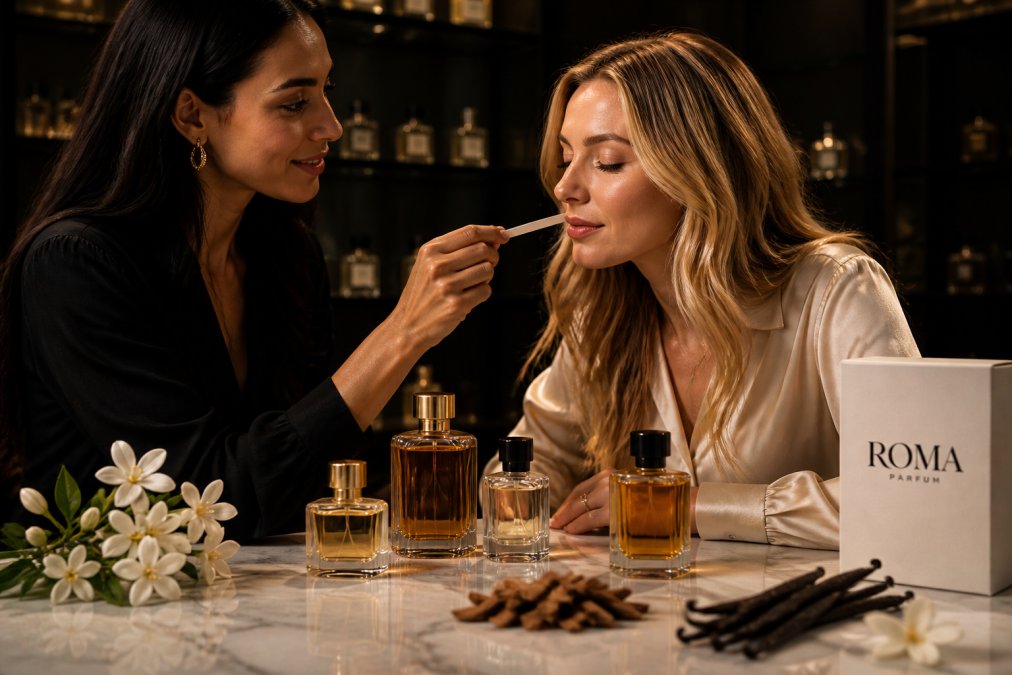
Understand fragrance families. Extrait de parfum compositions emphasize deeper, more complex aspects. Oriental fragrances (warm, sensual, featuring vanilla, amber, and musk) are popular in extrait form because high concentration amplifies richness. Woody fragrances (sandalwood, cedar, vetiver) shine in extrait form, revealing subtle complexity. Floral extraits are typically more sophisticated and less sweet than eau de parfum counterparts.
Test on your skin chemistry first. Fragrances interact differently with different skin types and pH levels. Obtain a sample and wear it for a full day before committing to a full bottle. Pay attention to how it evolves and whether you genuinely enjoy it after 8+ hours.
Consider your lifestyle and climate. Extrait de parfum works beautifully in cooler climates where intimate sillage is appropriate. In warmer climates or summer, you might find it too intense for daily wear, though it excels for evening wear or special occasions.
Evaluate the aromatic compounds. High-quality extraits feature rare, expensive materials: hand-extracted oils, precious botanicals, and complex fixatives. Look for information about specific aromatic compounds used; fragrances featuring oud, ambroxan, or hand-extracted florals typically justify premium pricing through genuine quality.
Consider the brand's approach to perfumery. Roma Parfum creates extraits de parfum with 40% oil concentration specifically formulated for extreme longevity and unique scent profiles. Each fragrance is crafted as a personal story with rare botanicals and hand-extracted oils. When selecting an extrait de parfum, consider whether the brand's philosophy aligns with your values.
Start with a sample or smaller size if available. Extrait de parfum represents significant investment; many luxury houses offer samples or smaller sizes (15-30ml) to experience the fragrance over several days before committing to a full purchase.
Price Point Comparison and Value Proposition
Extrait de parfum typically costs significantly more per milliliter than eau de parfum, primarily due to higher aromatic oil concentration and quality ingredients. The formulation and maceration process is more complex, involving longer aging and careful blending. Many extrait de parfum fragrances are created in small batches with hand-extracted oils and rare ingredients, which inherently costs more than mass production. Packaging is often more luxurious, adding to the final price.
Eau de parfum offers better value for daily-wear scenarios. Lower concentration means lower raw material costs, and larger market allows efficient production.
The value calculation shifts when factoring in longevity and usage. You use significantly less extrait de parfum per application, typically 1-2 sprays versus 3-4 of eau de parfum. A 30ml bottle of extrait de parfum lasts considerably longer than 30ml of eau de parfum. Cost-per-wear over the bottle's life makes extrait de parfum more economical for regular wearers.
Consider also emotional and sensory value. Extrait de parfum is an experience; complexity, longevity, and intimacy create a different relationship with fragrance. If you wear fragrance primarily for personal enjoyment and want a scent that evolves throughout the day, the premium delivers genuine value. If you want social presence, eau de parfum offers better value.
A practical approach is investing in 1-2 signature extraits de parfum for personal enjoyment and special occasions, while maintaining several eau de parfum options for daily wear across seasons and moods.
Choosing between extrait de parfum and eau de parfum depends on how you experience fragrance and its role in your daily life. Extrait de parfum rewards those viewing fragrance as personal indulgence, a scent for intimate enjoyment that lasts all day and evolves on your skin. Eau de parfum serves those wanting strong performance and versatility across varied environments.
Roma Parfum's approach to fragrance creation, with 40% oil concentration and hand-extracted botanical ingredients, positions our extraits de parfum as investments in quality and longevity. Each fragrance tells a story through rare aromatic compounds and careful formulation, creating scents that linger in memory. Explore our collection to discover your signature scent, and join our mailing list to stay connected with new releases and the stories behind each composition.
Frequently Asked Questions
Does extrait de parfum last longer than eau de parfum?
Yes, significantly. Extrait de parfum contains 20-40% fragrance concentration compared to eau de parfum's 15-20%, resulting in longevity of 8-36+ hours versus 6-8 hours. The higher concentration of aromatic compounds and fixatives means the scent stays on your skin longer and develops more complexity throughout the day. This extended wear time is one reason fragrance enthusiasts prefer extrait de parfum for all-day performance.
What's the actual percentage difference between extrait de parfum and eau de parfum?
Extrait de parfum typically contains 20-40% fragrance concentration, while eau de parfum contains 15-20%. This 5-20% difference in fragrance oil content directly impacts longevity, sillage, and intensity. The remaining percentage is alcohol (ethanol) and water. This seemingly small difference creates a noticeable gap in how long the scent lasts and how prominently it projects on your skin and surroundings.
When should you wear extrait de parfum instead of eau de parfum?
Choose extrait de parfum for intimate occasions, evening wear, cooler climates, or when you want a scent that evolves throughout the day without reapplication. Eau de parfum works better for everyday office wear, warmer weather, or situations where a lighter fragrance is appropriate. Extrait de parfum's higher concentration means it projects more subtly at close range, making it ideal for personal enjoyment rather than announcing your presence across a room.
How does fragrance concentration affect sillage and projection?
Higher fragrance concentration increases both sillage (the scent trail you leave behind) and projection (how far the fragrance travels). Extrait de parfum has concentrated aromatic compounds that diffuse more slowly and persistently, creating a closer sillage and deeper scent experience. Eau de parfum projects more initially due to higher alcohol content but fades faster. For those seeking a fragrance that stays with them throughout the day, extrait de parfum's superior concentration delivers sustained performance.
Is extrait de parfum worth the higher price point?
For fragrance enthusiasts seeking extreme longevity and complex scent development, yes. Extrait de parfum requires less frequent application, contains more expensive aromatic compounds and fixatives, and delivers 8+ hours of wear versus 6-8 hours for eau de parfum. If you're willing to invest in quality and prefer deeper, more intimate fragrances, the premium cost reflects superior ingredients, concentration levels, and performance. Budget-conscious buyers may find eau de parfum offers better value for everyday wear.
This article was written using GrandRanker