

Curating a standout collection for your luxury fragrance boutique is not as simple as stocking what’s trendy. Customers crave an atmosphere and scent selection that feels truly exclusive and memorable, but finding the right blends and brands can be overwhelming with so many options on the market. Every detail, from the atmosphere you create to the carefully chosen perfumes on your shelves, shapes your boutique’s identity and keeps customers coming back.
This guide gives you practical steps to help you identify signature atmospheres, spot unique fragrance houses, and select scents that delight all year. You’ll discover valuable insights on balancing classic favorites with modern trends and learn what makes limited editions and bespoke blends so desirable. Get ready to transform your shop into a destination for fragrance connoisseurs with strategies crafted for real results.
Table of Contents
- 1. Identify Your Boutique’s Signature Atmosphere
- 2. Research Exclusive and Niche Fragrance Houses
- 3. Assess Perfume Notes For Year-Round Appeal
- 4. Evaluate Ingredient Quality and Longevity
- 5. Prioritize Limited Editions and Bespoke Blends
- 6. Balance Timeless Classics With Modern Trends
- 7. Curate For Customer Experience and Presentation
Quick Summary
| Takeaway | Explanation |
|---|---|
| 1. Create an Immersive Atmosphere | Design a sensory space that tells a story and evokes emotions for customers. |
| 2. Focus on Niche Fragrance Houses | Research artisanal brands to curate exceptional and unique perfume collections. |
| 3. Analyze Perfume Notes Carefully | Ensure fragrance selections maintain appeal across seasons through balanced note composition. |
| 4. Prioritize Quality and Longevity of Ingredients | Assess ingredient sourcing and purity to guarantee lasting fragrance performance. |
| 5. Curate for Customer Experience | Design thoughtful interactions and spatial arrangements that engage customers emotionally and sensorially. |
1. Identify Your Boutique’s Signature Atmosphere
Every luxury fragrance boutique tells a story through its unique sensory environment. Creating a distinctive atmospheric experience is not just about displaying perfumes but crafting an immersive journey that captivates customers from the moment they enter.
The concept of atmosphere in design goes far beyond mere aesthetics. According to research on atmospheric dimensions of design, it represents a complex socio-cultural value that shapes the identity and spirit of a space. For boutiques, this means consciously engineering an environment that evokes specific emotions and creates memorable interactions.
Key elements to consider when developing your boutique’s signature atmosphere include:
- Lighting: Soft, warm illumination that highlights product displays
- Color palette: Neutral tones with strategic accent colors that reflect luxury
- Spatial arrangement: Intuitive layout that encourages exploration
- Sensory triggers: Subtle background music and controlled ambient temperature
- Visual merchandising: Elegant product presentation that tells a narrative
A signature atmosphere transforms a simple retail space into an immersive sensory experience that distinguishes your boutique from competitors.
To develop this atmosphere, start by defining the emotional journey you want customers to experience. Are you creating an environment of sophisticated elegance? Intimate discovery? Modern minimalism? Each design choice should intentionally support this overarching emotional narrative.
Pro tip: Conduct periodic sensory audits of your boutique space to ensure every element consistently communicates your intended atmospheric story.
2. Research Exclusive and Niche Fragrance Houses
Discovering exceptional fragrance houses requires a strategic and nuanced approach that goes far beyond traditional market research. Understanding the landscape of exclusive perfume creation means diving deep into artisanal and innovative brands that represent true olfactory craftsmanship.
The fragrance industry offers an intricate world of specialized producers, and international fragrance associations provide critical guidance for boutique curators seeking unique collections. These organizations offer comprehensive insights into emerging brands that represent authentic creativity and exceptional quality.
Key strategies for researching niche fragrance houses include:
- Attend specialized perfume exhibitions and trade shows
- Follow renowned fragrance critics and industry publications
- Connect with independent perfume blogs and forums
- Explore small-batch and limited production collections
- Investigate brands with unique sourcing and production philosophies
Niche fragrance houses represent the artisan craftspeople of the perfume world transforming scent into an elevated sensory experience.
Professional researchers understand that identifying exceptional fragrance collections requires a multifaceted approach. Fragrance safety research plays a crucial role in validating the credibility and quality of emerging perfume brands by ensuring ingredient integrity and safety standards.
When evaluating potential additions to your boutique collection, consider factors such as ingredient provenance, production techniques, brand philosophy, and the unique narrative behind each fragrance line.
Pro tip: Develop relationships with independent perfumers and attend international fragrance conferences to discover emerging talent before they become mainstream.
3. Assess Perfume Notes for Year-Round Appeal
Crafting a fragrance collection with enduring appeal requires a sophisticated understanding of perfume note composition. Successful boutiques recognize that a truly versatile scent transcends seasonal boundaries by masterfully balancing complex aromatic layers.
Understanding perfume note classifications) reveals the intricate architecture of exceptional fragrances. Perfume notes are strategically divided into top, middle, and base categories, each contributing uniquely to the scent’s overall character and longevity.
Key considerations for year-round fragrance selection include:
- Top notes providing immediate fresh impressions
- Middle notes creating depth and emotional resonance
- Base notes delivering lasting complexity and warmth
- Balanced combinations that transition smoothly across seasons
- Notes that complement diverse skin chemistry and preferences
A well-curated fragrance collection is like a symphony orchestra where each note plays a precise and harmonious role.
Professional perfume curators understand that successful scent selection involves more than individual note appeal. The interaction between top, middle, and base notes determines a fragrance’s ability to maintain allure throughout changing environmental conditions.
When evaluating potential additions to your boutique collection, analyze how different notes interact and evolve. Look for fragrances that offer a sophisticated narrative shifting subtly yet meaningfully as they warm against the skin.
Pro tip: Develop a rotating collection that features versatile fragrances with complex note structures capable of adapting to multiple seasons and personal styles.
4. Evaluate Ingredient Quality and Longevity
In the world of luxury fragrances, ingredient quality defines excellence. Discerning boutique owners understand that a perfume’s true value lies not just in its scent but in the meticulous selection and verification of its foundational components.
Ingredient certification standards provide critical frameworks for evaluating fragrance purity and performance. Professional curators recognize that comprehensive ingredient assessment goes far beyond superficial sensory evaluation.
Key criteria for evaluating ingredient quality include:
- Precise origin and sourcing documentation
- Comprehensive purity testing results
- Molecular stability and longevity profiles
- Ethical and sustainable procurement practices
- Verifiable quality control documentation
Exceptional fragrances are built from extraordinary ingredients meticulously selected with scientific precision and artistic vision.
Understanding ingredient composition requires deep analytical expertise. Chemical consistency and performance are paramount when selecting perfumes that will maintain their distinctive character over time. Boutiques must look beyond initial impressions to evaluate how ingredients interact and evolve.
Professional fragrance curators employ sophisticated assessment techniques that examine molecular structures, ingredient interactions, and long-term performance characteristics. This approach ensures that each selected scent meets the highest standards of quality and sensory experience.
Pro tip: Request comprehensive ingredient documentation and performance data from fragrance houses to make informed selection decisions that guarantee exceptional boutique collections.
5. Prioritize Limited Editions and Bespoke Blends
Luxury fragrance boutiques distinguish themselves through extraordinary scent experiences that transcend conventional retail offerings. Limited editions and bespoke blends represent the pinnacle of olfactory artistry transforming perfume from a mere product into a collector’s treasure.
Strategic prioritization techniques for exclusive blends require a nuanced understanding of customer desire and brand positioning. These rare fragrances are not simply products but narrative expressions of craftsmanship and individuality.
Key considerations for curating limited edition collections include:
- Unique narrative and provenance
- Exceptional ingredient sourcing
- Limited production quantities
- Distinctive packaging and presentation
- Emotional resonance with target clientele
Bespoke fragrances are not mass-produced commodities but intimate artistic statements crafted for discerning collectors.
Successful boutiques recognize that proprietary blends protect exclusivity while offering unparalleled customer experiences. By carefully selecting limited edition fragrances that align with brand identity, owners create compelling narratives that elevate their boutique’s reputation.
The art of curating bespoke collections involves understanding subtle market dynamics and anticipating customer preferences before they fully crystallize. This requires deep industry insight and a willingness to take calculated creative risks.
Pro tip: Develop relationships with niche perfumers who can create small-batch, exclusive fragrances specifically tailored to your boutique’s unique aesthetic and clientele.
6. Balance Timeless Classics With Modern Trends
Curating a fragrance collection that resonates across generations requires a delicate balance between honoring classical perfumery traditions and embracing contemporary olfactory innovations. The art of fragrance selection is a nuanced dance between timeless sophistication and dynamic consumer preferences.
Reception studies in classics reveal how integrating historical foundations with contemporary interpretations revitalizes interest and relevance. This approach perfectly mirrors the strategic curation of fragrance collections that appeal to diverse customer sensibilities.
Strategies for balancing classic and modern fragrance selections include:
- Maintain a core collection of iconic scents
- Introduce seasonal trend-inspired fragrances
- Create narrative connections between classic and contemporary blends
- Educate customers on fragrance heritage and evolution
- Rotate collections to reflect changing consumer preferences
True fragrance mastery lies in understanding that tradition and innovation are not opposites but complementary artistic expressions.
Successful boutiques recognize that modern trends emerge from classical foundations. By carefully selecting fragrances that respect historical craftsmanship while incorporating contemporary notes and techniques, boutique owners create a dynamic and engaging sensory experience.
This approach requires continuous learning and a deep understanding of both historical perfumery techniques and emerging consumer trends. It demands curiosity creativity and a willingness to experiment while maintaining a respectful connection to fragrance traditions.
Pro tip: Develop a curated rotation strategy that introduces new fragrances quarterly while maintaining a consistent selection of beloved classic scents to satisfy diverse customer preferences.
7. Curate for Customer Experience and Presentation
The ultimate luxury boutique transcends mere product sales transforming the fragrance acquisition into an immersive sensory storytelling experience. Every interaction represents an opportunity to create emotional connection and lasting brand memory.
Customer experience strategies reveal that exceptional presentation goes far beyond visual aesthetics transforming retail spaces into narrative environments that engage multiple senses simultaneously.
Key elements of exceptional customer experience include:
- Thoughtful spatial design
- Personalized interaction protocols
- Sensory engagement techniques
- Narrative presentation of fragrances
- Consistent brand storytelling across touchpoints
Customer experience is not a transaction but a carefully choreographed emotional journey.
Successful boutiques understand that presentation communicates brand philosophy through nuanced design choices. Lighting positioning display techniques and staff training all contribute to creating an environment that feels both exclusive and welcoming.
Professional curators recognize that fragrance presentation involves creating multisensory moments that invite exploration. This means designing spaces that encourage discovery while providing comfortable navigation and expert guidance.
Pro tip: Develop a consistent storytelling framework that connects each fragrance to its unique origin narrative while training staff to communicate these stories with genuine passion and authenticity.
Below is a comprehensive table summarizing the key strategies and insights presented in the article concerning luxury fragrance boutiques.
Elevate Your Boutique with a Curated Luxury Fragrance Collection
Creating the perfect luxury scent experience means navigating complex challenges like crafting a signature atmosphere and sourcing exclusive, high-quality perfumes. This article highlights key goals such as balancing timeless classics with modern trends and prioritizing limited editions that engage your discerning clientele emotionally.
At Roma Parfum, we understand your need for exceptional ingredient quality and captivating scents that tell a story. Our Partner Products embody this commitment to craftsmanship, offering a carefully curated range of artisanal fragrances designed for boutiques seeking to deliver lasting impressions. Explore our Quick Order options to effortlessly enhance your collection with luxury extrait de parfum that aligns with your boutique’s vision.
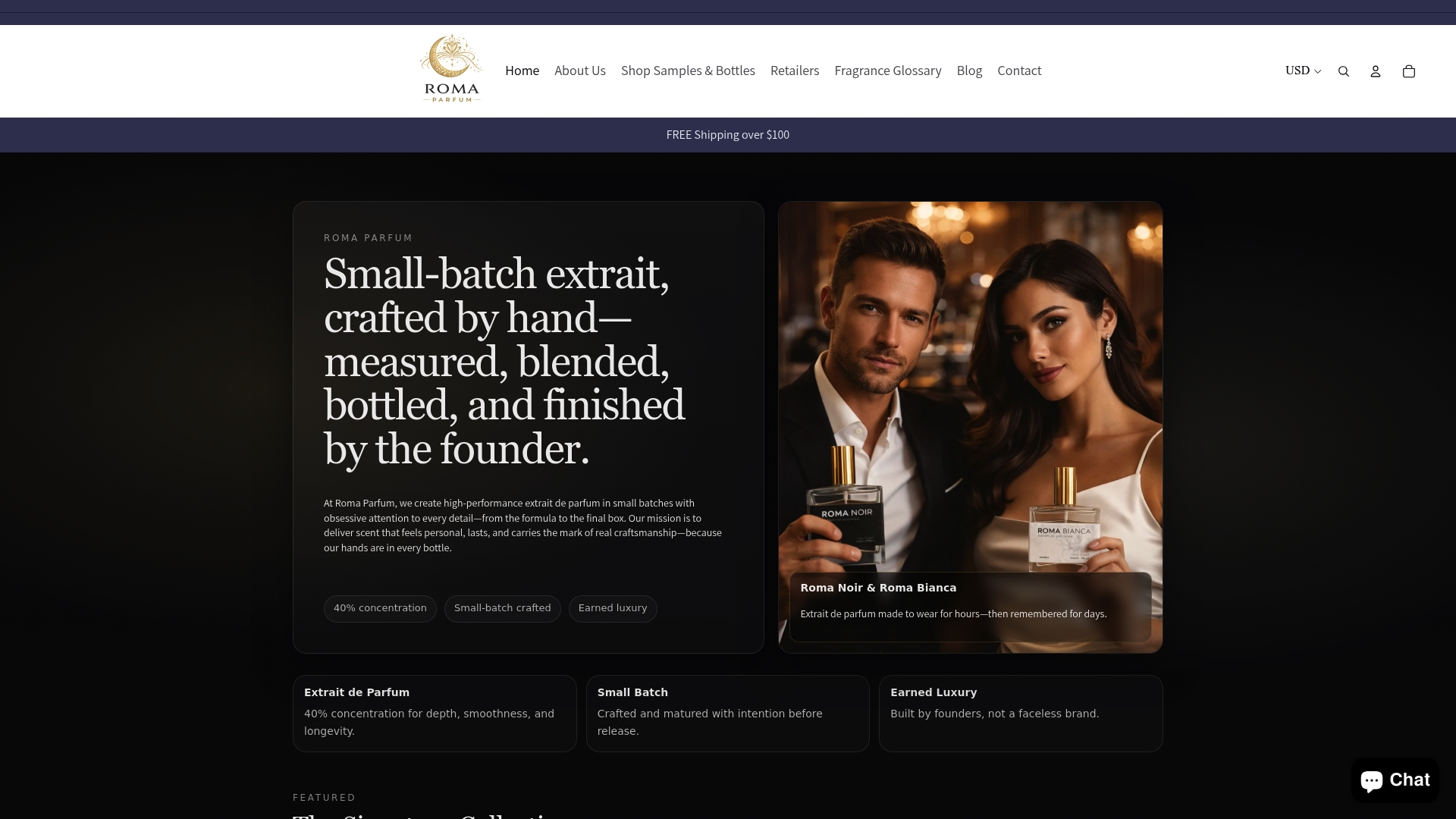
Discover how refining your boutique’s fragrance selection can transform customer experience now. Visit Roma Parfum to start building an exclusive scent portfolio that resonates year-round. Don’t wait to set your boutique apart with enduring elegance and sophistication.
Frequently Asked Questions
What are the key elements to create a signature atmosphere in a luxury fragrance boutique?
Creating a signature atmosphere involves key elements such as lighting, color palette, spatial arrangement, sensory triggers, and visual merchandising. Focus on soft lighting and elegant displays to evoke specific emotions and enhance customer experience.
How can I effectively research niche fragrance houses for my boutique?
To research niche fragrance houses, attend specialized exhibitions, connect with fragrance blogs, and explore small-batch collections. Dedicate time each month to identify at least three new brands that align with your boutique’s aesthetic.
How do I assess perfume notes for a year-round fragrance collection?
Assess perfume notes by considering their classification into top, middle, and base notes for balanced appeal. Evaluate how these notes transition smoothly across seasons to maintain customer interest.
What criteria should I use to evaluate the quality of fragrance ingredients?
Evaluate fragrance ingredients based on their sourcing documentation, purity testing results, and ethical procurement practices. Set a standard to obtain ingredient documentation for every new fragrance you consider adding to your collection.
How should I curate limited editions and bespoke blends for my boutique?
Curate limited editions by focusing on unique stories, exceptional ingredients, and emotional resonance with your clientele. Aim to introduce at least one limited-edition fragrance each quarter to enhance exclusivity and appeal.
How can I balance timeless classic fragrances with modern trends in my collection?
Balance classics with modern trends by maintaining a core collection of iconic scents while introducing seasonal fragrances inspired by current trends. Regularly update your collection every quarter to reflect evolving consumer preferences.
Recommended
- Inside the Perfumer’s Workshop: How Luxury Extrait de Parfum Is Crafte – Roma Parfum — Luxury Extrait de Parfum | Lasting Fragrance for Women & Men
- Partner Products – Roma Parfum — Luxury Extrait de Parfum | Lasting Fragrance for Women & Men
- What Makes The Quality DIfference In Fragrances? – Roma Parfum — Luxury Extrait de Parfum | Lasting Fragrance for Women & Men
- Perfumer’s Workshop – Roma Parfum — Luxury Extrait de Parfum | Lasting Fragrance for Women & Men