

Table of Contents
- What Defines a Niche Fragrance House
- The Difference Between Designer and Niche Perfumery
-
Top Niche Fragrance Houses for Serious Collectors
- 1. Roma Parfum: Emotionally Driven Storytelling with Extreme Longevity
- 2. Amouage: Eastern Luxury Meets Western Artistry
- 3. Maison Francis Kurkdjian: Precision and Iconic Excellence
- 4. Éditions de Parfums Frédéric Malle: Perfumer as Artist
- 5. Parfums de Marly: Opulent Heritage Fragrances
- 6. Creed: Historic Craftsmanship and Iconic Scents
- 7. Histoires de Parfums: Narrative-Driven Compositions
- 8. DS & Durga: American Innovation and Artistic Vision
- 9. Zoologist Perfumes: Boundary-Pushing Creativity
- How to Start a Perfume Collection That Reflects Your Identity
- Best Niche Perfume Discovery Sets for New Collectors
- Understanding Fragrance Concentration and Performance
- How to Store Niche Fragrances to Preserve Quality and Longevity
- Investment and Resale Value in Niche Fragrance Collecting
Last Updated: August 7, 2026
What Defines a Niche Fragrance House
A niche fragrance house is an independent perfumery that prioritizes artistic expression and craftsmanship over mass-market appeal. Unlike designer brands that chase commercial viability, niche houses create compositions driven by a perfumer's vision, often using rare botanicals and higher fragrance concentrations. Niche fragrances typically contain 15-40% fragrance concentration, compared to 3-5% in mass-market colognes.
These houses reject focus groups and market testing, instead building collections around a singular artistic perspective or narrative. The olfactory profiles tend toward complexity, with unexpected accords and evolving dry downs that reward attention. Many collectors describe niche fragrances as having a "personality", they demand to be noticed.
Roma Parfum exemplifies this approach. Each composition tells a story, crafted as a personal anthem rather than a commercial product. The brand's 40% oil concentration ensures extreme longevity, with scents lingering for 36 hours. Niche houses also tend toward exclusivity through limited production runs and selective distribution, creating scarcity that reflects individuality and taste.
The Difference Between Designer and Niche Perfumery
Designer fragrances occupy the middle ground between mass-market and niche. Created by established fashion houses like Dior and Tom Ford, they balance quality with cost, using synthetics alongside naturals to hit a price point. Niche perfumery inverts this: the perfumer's vision comes first, commercial viability second.
Ingredient sourcing reflects this difference. Niche houses source rare botanicals and regional ouds, with accords developed over months of maceration. Performance tells another story: designer fragrances typically offer 4-8 hours of projection, while niche fragrances maintain sillage for 12-36 hours through higher concentration and intentional design.
Distribution matters too. Designer fragrances appear at Sephora and department stores; niche fragrances live in boutiques and direct-to-consumer websites. Pricing reflects the gap: designer fragrances cost $80-150 for 100ml, while niche fragrances start around $200 and climb to $400+. You're paying for artistry, rare ingredients, and exclusivity.
Top Niche Fragrance Houses for Serious Collectors
1. Roma Parfum: Emotionally Driven Storytelling with Extreme Longevity
Roma Parfum treats fragrance as autobiography, with every composition a personal anthem. The brand's 40% oil concentration delivers extreme longevity, scents that linger for 36 hours on skin and clothing.
What makes Roma Parfum unique is The Roma Collective, a docuseries documenting creators developing signature fragrances with professional perfumers. Twenty creators worked directly with Roma's fragrance team to develop compositions inspired by their life stories, heritage, and personal transformations. Every scent has a documented origin story, you're buying a piece of someone's authentic journey.
Performance-wise, Roma Parfum delivers what serious collectors demand. Hand-extracted oils and rare botanicals ensure complexity that unfolds over hours, with dry downs revealing layers that initial spray obscures. The direct-to-consumer model eliminates retail markups, so you're paying for perfume, not distribution channels.
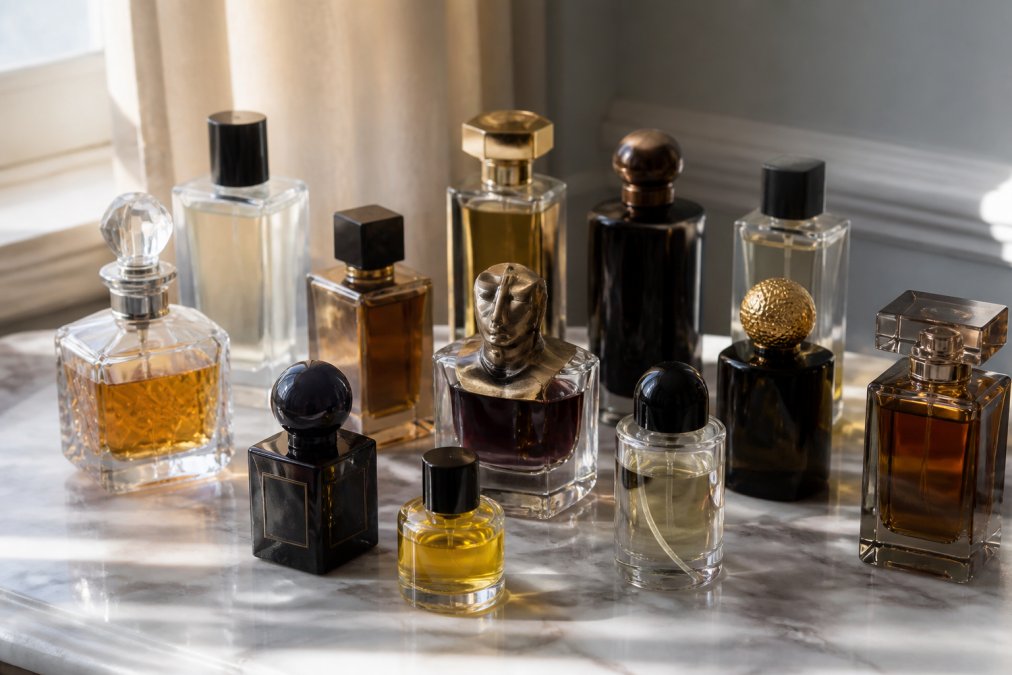
2. Amouage: Eastern Luxury Meets Western Artistry
Amouage, Oman's contribution to global niche perfumery, blends oud, amber, and spice with Western perfumery techniques to create compositions that feel both ancient and contemporary. These fragrances project aggressively, a single spray fills a room. This intensity is intentional, designed for people who want to be noticed.
The scent profiles lean toward opulent accords with woody bases and amber foundations. Fragrances like Reflection Man combine leather, oud, and tobacco into something that feels expensive and exclusive. Longevity matches projection, with fragrances easily lasting 12-16 hours. The one consideration: intensity can be polarizing. These aren't fragrances for subtle self-expression.
3. Maison Francis Kurkdjian: Precision and Iconic Excellence
Francis Kurkdjian is one of the industry's most celebrated perfumers, and his house reflects surgical precision. Nothing is accidental or excessive. The house is famous for Baccarat Rouge 540, arguably the most sought-after niche fragrance of the past decade, a composition of ambroxan, saffron, and cedar that creates something simultaneously warm and ethereal.
Collectors value Maison Francis Kurkdjian for consistency and refinement. Every fragrance projects sophistication rather than loudness, designed for people who understand fragrance deeply. Concentration levels are generous, with eau de parfum and extrait de parfum dominating the collection, ensuring 10-14 hours of presence from a single application.
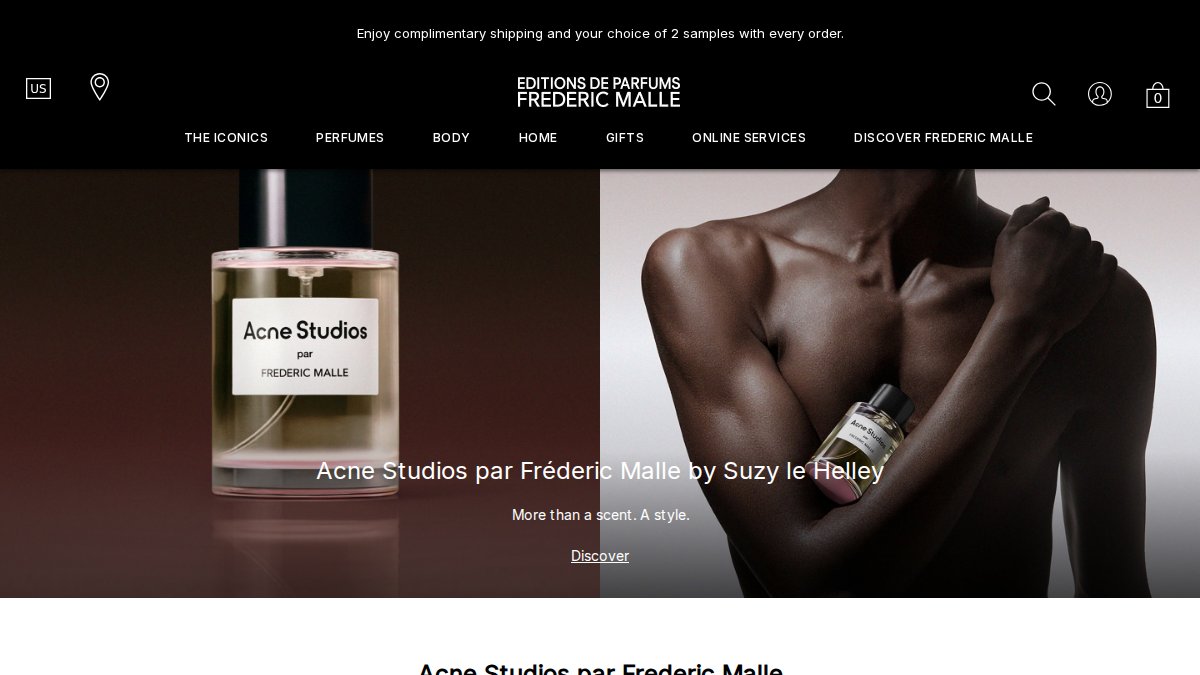
4. Éditions de Parfums Frédéric Malle: Perfumer as Artist
Frédéric Malle operates as a fragrance publisher, commissioning master perfumers and giving them complete creative freedom. This model produces remarkable diversity: Portrait of a Lady is a dark, almost animalic rose with a leather base, while Carnal Flower is a tuberose that smells like white flowers dipped in cream and honey.
Collectors appreciate the commitment to artistry over commerce. The house doesn't chase trends; it publishes fragrances because they're beautiful. Concentrations are typically eau de parfum or extrait, ensuring performance that matches artistic ambition. Some compositions are genuinely challenging, demanding an acquired taste, but this reflects artistic integrity.
5. Parfums de Marly: Opulent Heritage Fragrances
Parfums de Marly draws inspiration from the court of Louis XV, translating 18th-century opulence into contemporary fragrance. Scent profiles lean toward gourmand and woody accords, Layton combines tobacco, vanilla, and spice; Heeley blends amber, cedar, and warm woods. These aren't subtle, but they project beautifully with refined compositions.
Longevity is exceptional, with most fragrances lasting 14-18 hours with consistent sillage. This performance comes from high concentration and quality raw materials. The collection appeals to collectors who want impact and command attention.
6. Creed: Historic Craftsmanship and Iconic Scents
Creed is one of the oldest fragrance houses still operating, with heritage stretching back to the 18th century. The house creates fragrances with patience, using traditional methods and quality ingredients. Aventus, a composition of pineapple, birch, and musk, defined the "fresh niche" category and delivers 12+ hours of longevity from a single spray.
Collectors respect Creed's consistency and timeless approach. The house doesn't chase trends, and concentration levels are high with eau de parfum as standard. The consideration: Aventus has become so popular it's lost niche status. Many collectors explore the house's deeper catalog for exclusivity.
7. Histoires de Parfums: Narrative-Driven Compositions
Histoires de Parfums creates fragrances inspired by historical figures, specific years, and literary works. Each composition tells a story, 1826 smells like leather, tobacco, and old books; 1889 evokes the Paris Exposition with jasmine, vanilla, and spice. This narrative approach appeals to collectors who view fragrance as personal mythology.
Most offerings are eau de parfum with solid longevity of 10-12 hours. Compositions tend toward complexity, rewarding attention and olfactory training. Some fragrances prioritize narrative over conventional beauty, which liberates collectors who embrace artistic approach.

8. DS & Durga: American Innovation and Artistic Vision
DS & Durga represents American niche perfumery at its most creative, drawing inspiration from music, art, and landscape. The scent profiles are diverse, but all feel contemporary and boundary-pushing without sacrificing wearability. Collectors appreciate the willingness to take risks and create fragrances that wouldn't pass corporate approval at larger houses.
Concentrations are typically eau de parfum, ensuring longevity of 10-14 hours with moderate to strong projection. This house rewards olfactory adventurousness.
9. Zoologist Perfumes: Boundary-Pushing Creativity
Zoologist Perfumes creates fragrances inspired by the animal kingdom, capturing the essence of specific animals spiritually and olfactorily. Bat smells dark and earthy; Elephant is warm and grounding. These aren't fragrances designed for universal appeal, they're artistic statements.
The house collaborates with various perfumers, each bringing their interpretation to the animal concept. Concentrations are generous with eau de parfum as standard, delivering 12-16 hours of longevity. Many compositions are genuinely challenging, making this house essential for those seeking fragrance that challenges conventional beauty.
How to Start a Perfume Collection That Reflects Your Identity
Building a meaningful fragrance collection begins with understanding your olfactory preferences through sampling. Identify scent families that attract you, do you gravitate toward florals, woods, citruses, or gourmands? This self-knowledge prevents expensive mistakes.
Sampling is non-negotiable. Niche fragrances represent significant investments, and olfactory preferences are deeply personal. Blind buying full bottles is financially reckless. Consider your lifestyle when building a collection: do you need office-appropriate scents, evening fragrances, and seasonal rotations?
Build slowly. A collection of five carefully chosen fragrances is more valuable than twenty random bottles. Each addition should serve a purpose, fill a gap in your rotation, explore a new scent family, or deepen your relationship with a house you love.
Best Niche Perfume Discovery Sets for New Collectors
Discovery sets are entry points into niche fragrance, offering multiple fragrances in smaller sizes without committing to full bottles. Roma Parfum offers curated discovery sets featuring multiple compositions from the Signature Series, allowing you to experience the brand's storytelling approach and extreme longevity across different olfactory profiles.
Maison Francis Kurkdjian's discovery sets introduce the house's precision aesthetic, while Frédéric Malle's sample sets showcase the diversity of their "perfumer as artist" model. Amouage offers travel sizes that deliver the full intensity of their fragrances.
When evaluating discovery sets, prioritize breadth over quantity. You want exposure to different scent families, concentration levels, and creative approaches.
Understanding Fragrance Concentration and Performance
Fragrance concentration determines both performance and price.
Eau de Cologne contains 2-5% fragrance concentration and lasts 2-4 hours. Eau de Toilette contains 5-15% and lasts 4-8 hours. Eau de Parfum contains 15-20% and lasts 8-14 hours, this is the sweet spot for serious collectors. Extrait de Parfum contains 20-40% and lasts 12-36 hours, delivering longevity and complexity that justify the premium pricing.
Serious collectors often prefer extrait formulations despite premium pricing. The longevity and complexity justify the investment, as you're wearing fragrance that lasts all day and evolves throughout the experience.
| Concentration Level | Fragrance % | Typical Duration | Best For |
|---|---|---|---|
| Eau de Cologne | 2-5% | 2-4 hours | Casual, fresh applications |
| Eau de Toilette | 5-15% | 4-8 hours | Daily wear, office environments |
| Eau de Parfum | 15-20% | 8-14 hours | Serious collectors, full-day wear |
| Extrait de Parfum | 20-40% | 12-36 hours | Luxury investments, evening wear |
How to Store Niche Fragrances to Preserve Quality and Longevity
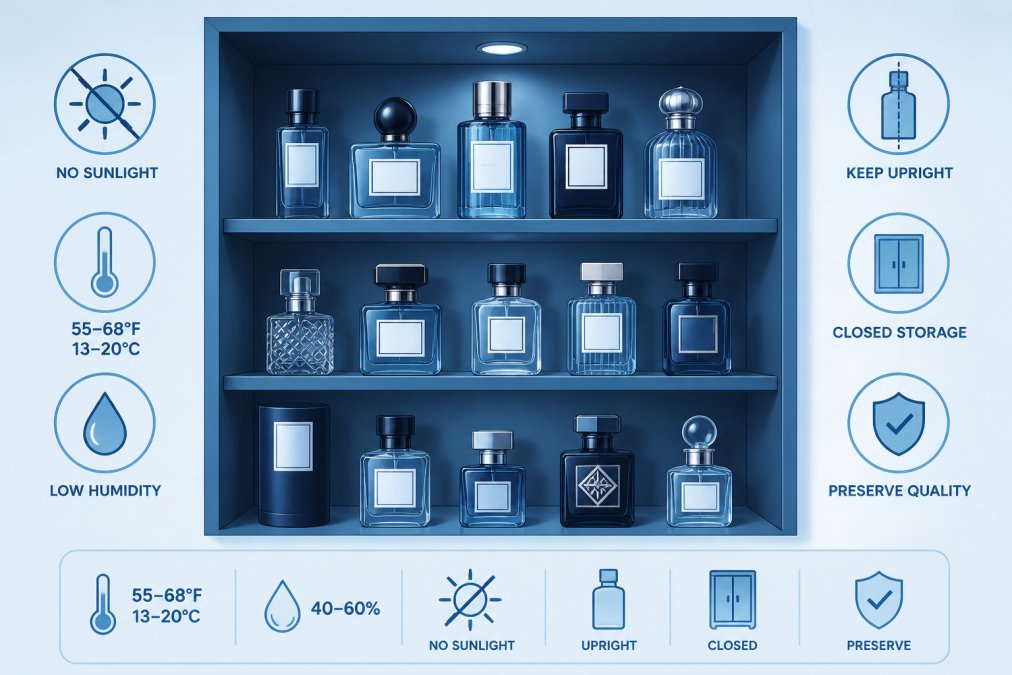
Fragrance is volatile. Heat, light, and oxidation degrade quality. Store fragrances in cool, dark environments, ideally 60-70°F. Never store in bathrooms where humidity and temperature fluctuate constantly. Never expose to direct sunlight or heat sources.
Light exposure damages fragrance composition. Store bottles in dark glass or opaque storage boxes. Keep bottle caps tightly sealed to prevent oxidation. If you must decant, use airtight containers and minimize headspace.
Humidity matters less than temperature, but aim for 30-50%. Organization helps track your collection and prevents duplicate purchases.
Investment and Resale Value in Niche Fragrance Collecting
Some collectors view niche fragrances as investments. Discontinuation drives value, when a house discontinues a beloved fragrance, demand exceeds supply and collectors can sell at significant premiums. Limited editions command premiums, particularly those released in small quantities with special packaging.
Batch reputation matters significantly. Certain production batches achieve legendary status for superior performance. Bottles from these batches sell at premiums. Condition affects resale value: sealed, unopened bottles command the highest prices, while opened bottles sell for 60-80% of original retail if desirable.
Building a collection primarily for investment is risky. The fragrances you love should be your first consideration. If appreciation happens, it's a bonus.
Building a meaningful niche fragrance collection requires patience, education, and intentionality. The houses covered here represent different approaches to artisanal perfumery, from Roma Parfum's emotionally driven storytelling and extreme longevity to Zoologist's boundary-pushing creativity. Start with discovery sets, understand fragrance concentration and storage, and add bottles that genuinely resonate with your identity. Get on the Roma Parfum mailing list to stay informed about new releases, limited editions, and the stories behind each composition.
Frequently Asked Questions
What defines a niche fragrance house versus a designer brand?
Niche fragrance houses prioritize artistic expression, rare ingredients, and limited production over mass-market appeal. They typically use higher concentrations of fragrance oils (often 15-40% or higher), employ independent perfumers, and focus on unique olfactory profiles rather than commercial accessibility. Designer brands, by contrast, emphasize accessibility, recognizable marketing, and broader consumer appeal, often with lower concentrations and more formulaic compositions designed for maximum wearability.
How do I start a perfume collection that actually lasts all day?
Focus on fragrances with Extrait de Parfum or Eau de Parfum concentration (20-40% fragrance oils), which offer superior longevity and projection. Test scents on your skin for at least 6-8 hours before committing to a full bottle. Look for niche houses known for performance: Roma Parfum offers 40% oil concentration with 36-hour longevity, Amouage is renowned for exceptional sillage, and Creed fragrances are built for all-day wear. Avoid blind buys; sampling is essential to ensure the scent performs on your specific skin chemistry.
Are niche fragrances worth the higher price point?
Yes, when you prioritize longevity, ingredient quality, and artistic composition. Niche fragrances typically cost more because they use rare botanicals, hand-extracted oils, and higher concentrations of fragrance compounds. A single application can last 8-36 hours compared to 3-5 hours for designer fragrances, meaning a 100ml bottle lasts significantly longer. You're also investing in craftsmanship, storytelling, and exclusivity, scents that become personal anthems rather than mass-market commodities. For serious collectors, the cost-per-wear is often lower than repeatedly replacing cheaper fragrances.
How should I store my niche fragrance collection to preserve quality?
Store fragrances in a cool, dark place away from direct sunlight and heat, ideally between 50-70°F. Keep bottles upright with caps tightly sealed to prevent oxidation and evaporation. Avoid bathrooms (humidity damages fragrances) and kitchen shelves near heat sources. UV-protective storage boxes or a dedicated fragrance cabinet are ideal. Check batch codes periodically; proper storage preserves the integrity of rare ingredients and ensures longevity remains consistent. Extreme temperature fluctuations degrade fragrance composition, so a stable environment is critical for maintaining your collection's value and olfactory profile.
What's the difference between sampling and blind buying niche fragrances?
Sampling involves testing a fragrance on your skin for several hours before purchasing a full bottle, allowing you to evaluate how it develops through top notes, heart notes, and dry down on your unique skin chemistry. Blind buying means purchasing without testing first. For niche fragrances at premium price points, sampling is essential, what smells beautiful on a paper strip may not suit your skin's pH or personal preferences. Many niche houses offer discovery sets or sample programs. Sampling prevents costly mistakes and helps you build a cohesive collection aligned with your actual taste, not marketing hype.
This article was written using GrandRanker